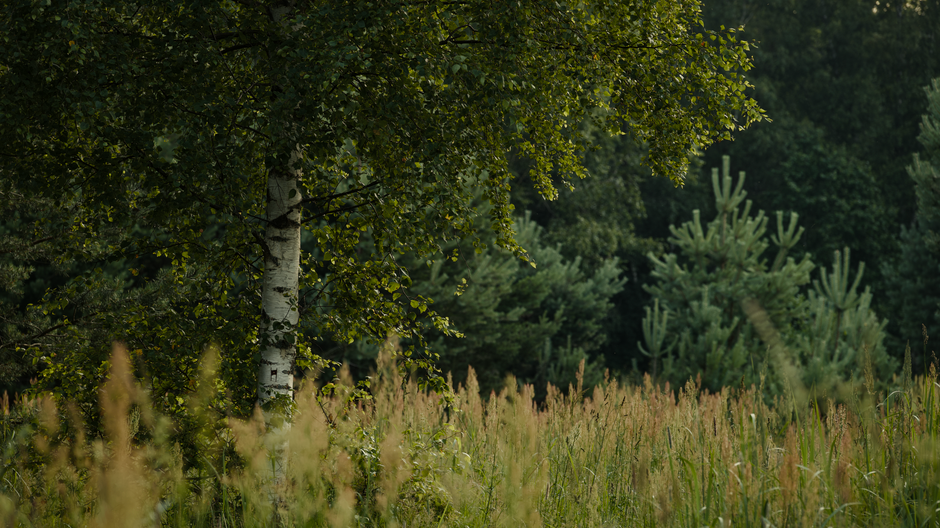
Reconnecting with Nature: The Essence of Rewilding
In 2026, the buzzword in travel isn’t just about luxury or adventure—it’s about rewilding. This transformative travel trend is about stepping away from the urban sprawl and diving headfirst into nature’s embrace. Rewilding retreats are gaining popularity as they offer a sanctuary for those seeking healing, restoration, and a renewed connection with the natural world. But what exactly is rewilding? It’s about allowing nature to take back its space, about humans returning to their roots and coexisting with the wild. It’s less about taming nature and more about letting it thrive in its purest form.
Top Rewilding Retreats to Visit in 2026
- Wolgan Valley, Australia: Nestled in the Greater Blue Mountains, this retreat offers an immersive experience in the heart of a 7,000-acre wildlife reserve. Guests can engage in conservation projects, guided wilderness walks, and stargazing sessions that reveal the breathtaking Southern Hemisphere skies.
- Glen Affric, Scotland: Known for its ancient Caledonian forests, Glen Affric is one of Scotland’s most stunning rewilding projects. Stay in eco-friendly lodges while participating in tree-planting activities and spotting native wildlife like red squirrels and golden eagles.
- Yellowstone’s Rewilding Camp, USA: As America’s first national park, Yellowstone continues to be a leader in conservation. The rewilding camp offers workshops on understanding wolf packs and tracking bison migrations, allowing visitors to engage with one of the most dynamic ecosystems in the world.
The Benefits of Rewilding for Personal Well-being
The allure of rewilding isn’t just about the places you visit; it’s about the profound impact it can have on your well-being. Studies have shown that spending time in nature reduces stress, enhances mood, and even boosts creativity. Rewilding retreats often incorporate mindfulness practices, such as forest bathing and meditation in nature, which can significantly improve mental health. Moreover, the act of contributing to conservation projects gives a sense of purpose and fulfillment that is hard to replicate in urban settings.
Practical Tips for Planning Your Rewilding Adventure
Planning a rewilding retreat in 2026 requires a bit of preparation. First, research your destination thoroughly. Understanding the local ecosystem and conservation efforts will enhance your appreciation and involvement. Second, pack sustainably. Bring eco-friendly gear, reusable water bottles, and biodegradable toiletries to minimize your footprint. Third, be open to learning. Many retreats offer educational workshops on ecology and conservation, providing a deeper understanding of the environment you’re helping to preserve. And always remember, by choosing rewilding, you’re not just taking a vacation; you’re embarking on a journey to restore both nature and yourself.
The Rewilding Movement: A Global Perspective
Rewilding isn’t confined to one continent. Across the globe, countries are embracing this movement. In Africa, rewilding projects are restoring vast savannas and protecting endangered species. In Europe, initiatives are bringing wolves back to the Alps and regenerating wetlands. Asia’s rewilding efforts are rejuvenating vital tiger habitats. The interconnectedness of these projects illustrates a growing global awareness that our planet’s health is intricately linked to our own. As travelers in 2026, we have the opportunity to be part of this global movement, contributing to the rewilding of our world, one retreat at a time.
Takeaway: Embrace the Wild, Embrace Yourself
Rewilding retreats in 2026 offer more than just a break from routine; they provide a chance to rekindle our relationship with the earth. By stepping into these natural sanctuaries, we not only contribute to ecological restoration but also rediscover parts of ourselves that are often buried under the weight of modern life. So, for your next getaway, consider the call of the wild. It’s a chance to heal, grow, and make a real impact on both your well-being and the planet’s future.