Finding the perfect adventure destination can be hard. Patagonia offers stunning natural beauty and vast wilderness. This guide provides a roadmap for exploring its mountains, glaciers, and more.
Understanding Patagonia
Patagonia splits between Argentina and Chile, each offering distinct landscapes and adventures. This wide stretch of land invites travelers to explore vast wilderness areas, from icy glaciers to deep blue lakes.
Argentinian Patagonia

Argentinian Patagonia offers adventure seekers a vast wilderness filled with stunning natural beauty. Mountains, glaciers, and steppe landscapes spread across the region. Travelers find Perito Moreno Glacier a highlight due to its dramatic beauty.
This part of Patagonia is also home to unique wildlife like pumas and guanacos.
For those looking for cultural experiences, local indigenous communities welcome visitors. They share traditions that enrich any travel experience. Lakes and rivers in Argentinian Patagonia provide perfect spots for kayaking and fishing adventures.
Every corner promises breathtaking views ideal for photography enthusiasts seeking those perfect shots of nature’s wonders.
Chilean Patagonia
Chilean Patagonia is wild and vast. This part of South America holds glaciers, mountains, and deep blue lakes. Nature lovers find paradise here with pumas, birds, and guanacos roaming free.
Adventure waits at every turn – from hiking icy trails to kayaking in clear waters.
Travelers see the world’s most stunning views in Torres del Paine National Park. Here, you can walk paths that wind through forests, by rivers, and up to massive ice fields. Glaciers like Grey Glacier show nature’s power up close – a must-see for anyone visiting Chilean Patagonia.
Highlighted Attractions of Patagonia
Patagonia’s wonders are endless, from icy glaciers to towering peaks. Tourists find both famous sites and hidden treasures in this vast wilderness.
Must-see Sights
Patagonia dazzles with its natural wonders, making it a dream for adventurers and nature lovers. Here are sites that you can’t miss:
- Perito Moreno Glacier stands as a giant among glaciers, offering ice trekking for an immersive experience.
- Torres del Paine National Park showcases towering mountains, blue lakes, and vast wilderness ready to explore.
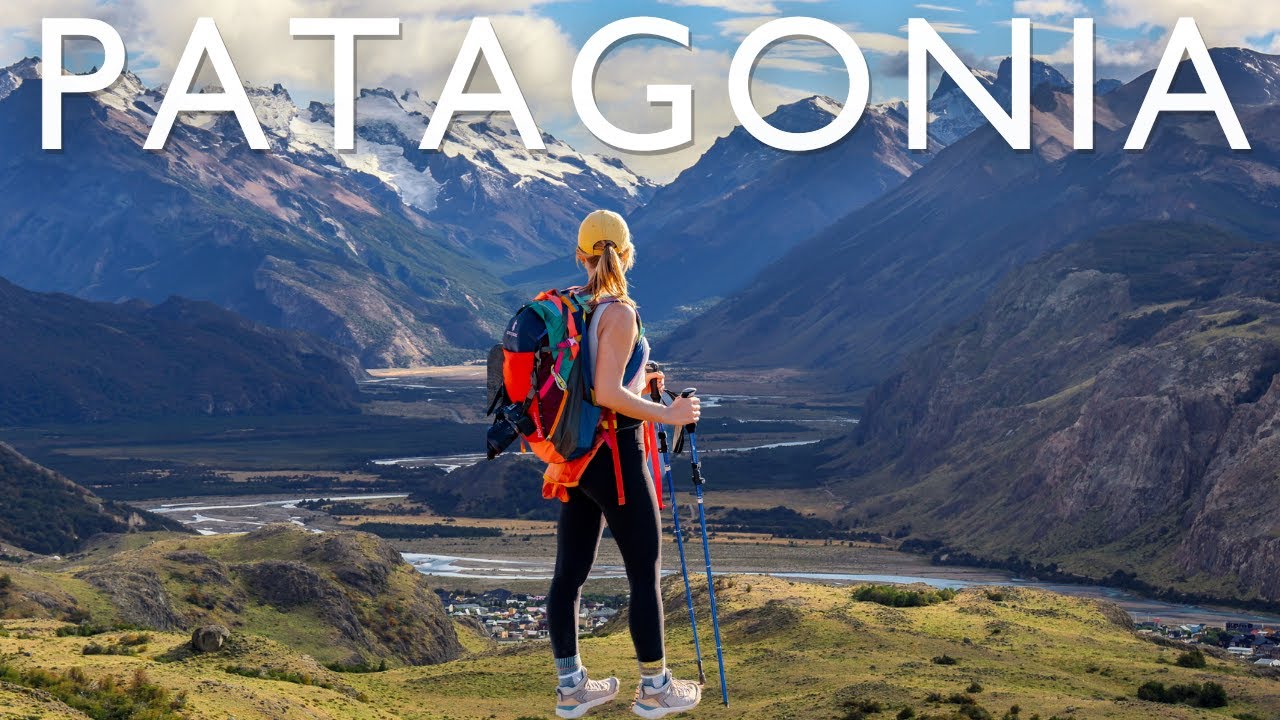
- Mount Fitz Roy commands attention with its jagged peaks, inviting hikers of all levels to enjoy stunning views.
- The Beagle Channel offers boat tours where you might spot seals, penguins, and dolphins in their natural habitat.
- Cueva de las Manos displays ancient cave paintings deep in the Santa Cruz province, telling stories of early human life.
- Los Glaciares National Park is home to numerous glaciers along with rare wildlife sightings amidst icy landscapes.
- Valdés Peninsula provides a unique opportunity to watch whales close-up from June to December when they visit these waters.

Each attraction offers a unique glimpse into Patagonia’s diverse ecosystems and breathtaking landscapes.
Hidden Gems
Patagonia’s remote corners offer more than just famous sights. Discover these lesser-known treasures for a unique adventure.
- Cueva de las Manos – This ancient cave, located in Argentina, features hand paintings over 9,000 years old. Visitors marvel at the early human art.
- Marble Caves – Kayak through Chile’s turquoise waters to see these stunning marble formations. Light dances across their surfaces, creating magical reflections.
- Bosque Petrificado La Leona – A hidden petrified forest in Argentina reveals trees frozen in time for over 90 million years. Walk among stone logs scattered across the desert landscape.
- Laguna del Desierto – This serene lake in Argentina is surrounded by lush forests and towering mountains. It’s perfect for quiet reflection or fishing in peace.
- Parque Nacional Queulat’s Hanging Glacier – In Chile, witness a glacier suspended between mountains, dripping into a waterfall below. The surrounding rainforest adds to its mystique.
- Estancia Harberton – Visit this historic farm in Argentina to step back in time. See how pioneers lived and interact with native wildlife up close.
- Capillas de Mármol Nature Sanctuary – Explore this network of marble caverns by boat on Chile’s General Carrera Lake. The play of light on water and stone is breathtaking.
- Valle de los Altares – Travel through this valley in Argentina for dramatic rock formations against clear blue skies—a photographer’s dream.
Each spot offers a glimpse into Patagonia’s rich tapestry of nature and history, away from crowded trails and popular itineraries.
Hiking Trails
Patagonia offers countless trails for every level of hiker. Each path promises unique views, from towering mountains to icy glaciers. Here are some top choices:
- The W Trek in Torres del Paine National Park spans over 46 miles. It takes about five days to complete and showcases stunning landscapes, including the famous Towers.
- Fitz Roy Trek near El Chaltén is shorter, approximately 20 miles round-trip. Hikers usually finish in two days, enjoying views of Mount Fitz Roy and glacial lakes.
- Perito Moreno Glacier walk isn’t a trek but an ice-hiking adventure on one of the world’s few advancing glaciers. Tours range from 1-5 hours, catering to various fitness levels.
- The Huemul Circuit is a challenging four-day hike around El Chaltén, covering about 40 miles with river crossings and mountain passes.
- O Circuit in Torres del Paine extends the W Trek into a full loop around the park, totaling over 80 miles completed in about 8-10 days for experienced trekkers.
- Cerro Torre Trek follows a route similar to Fitz Roy but focuses on Cerro Torre’s spire-like peaks; it’s perfect for a day hike or can be extended overnight.

These hikes offer chances to see wildlife, visit remote areas, and witness Patagonia’s diverse ecosystems up close. Pack wisely, respect nature’s beauty, and embrace adventure on these trails.
Experiences to Enjoy in Patagonia
Patagonia offers adventures that bring nature and thrill-seekers close. From climbing icy glaciers to walking with penguins, visitors find unforgettable ways to connect with the wild.

Full Day Rock Climbing with Introductory Class
A full day rock climbing with an introductory class invites beginners to the thrilling world of adventure in Patagonia. This experience teaches you the basics, from tying knots to safety protocols and techniques for scaling vertical surfaces.
Participants get hands-on training under the guidance of experienced instructors. They ensure a safe environment while pushing your limits.
The session takes place amid some of Patagonia’s most spectacular landscapes, combining physical challenge with breathtaking views. You’ll spend the day learning, climbing, and soaking in sights that few get to witness up close.
Gear is provided, so all you need is enthusiasm and a willingness to try something new. This introduction could be the start of a lifelong passion for rock climbing, set against the backdrop of Patagonia’s natural beauty.
Walking with Penguins at Martillo Island
Martillo Island offers a unique chance to walk among penguins, making it a must-visit for wildlife lovers. This adventure lets visitors get close to the friendly creatures in their natural habitat.
The island is home to thousands of Magellanic and Gentoo penguins. During the tour, guides share fascinating facts about these birds’ lives and habits.
Visitors need special permission to walk on Martillo Island, which keeps the environment safe for penguins. This experience combines nature with learning, appealing to all ages. It’s a rare opportunity to see these animals up close without disturbing their daily routines.
Exploring National Park Tierra del Fuego
Exploring National Park Tierra del Fuego takes you to the southernmost tip of South America. This park is a mix of mountains, forests, and glaciers. Visitors see rare animals like foxes and birds.
The park offers trails for all skills, from easy walks to tough hikes.

Boat trips show off the stunning coastlines and waterways. For those who love adventure, kayak tours let you paddle near icebergs in calm waters. Every path and tour helps guests feel close to nature’s beauty in this unique place.
Ice Trekking Perito Moreno Glacier
Ice trekking on Perito Moreno Glacier offers a thrilling adventure in Patagonia. This glacier, famous for its vast size and accessibility, invites visitors to walk across its icy surface.
Guests must wear special crampons for grip and follow guides who know the safest paths. Trekking tours range from easy strolls to challenging hikes, allowing people of all fitness levels to explore the glacier’s crevasses and ice formations.
The experience starts with a boat ride across Lago Argentino, providing stunning views of the glacier front. Once on the ice, trekkers learn about glacial processes like formation and movement from knowledgeable guides.
They also get up close to surreal blue ice pools and towering ice walls that make Perito Moreno unique. This journey through one of Patagonia’s most iconic landscapes is unforgettable, blending outdoor excitement with educational insights into glacial science.
Planning Your Trip to Patagonia
Deciding when to visit Patagonia is key. Many pick travel agencies for smooth planning.
Best Time to Visit
The best time to visit Patagonia is from October to April. These months offer warmer weather, making hikes and outdoor activities more enjoyable. Trees burst with colors, and wildlife is easier to spot.
It’s perfect for adventurers wanting to explore nature.
Travelers should avoid May through September due to cold temperatures and closed attractions. This period sees fewer tourists but might limit your experience in exploring Patagonia’s natural beauty fully.
Plan your trip during the warmer seasons for the full adventure.
Travel Agencies for Itinerary Planning

Planning your trip to Patagonia involves choosing the right travel agency. They offer specialized tours and can tailor your experience to match your adventure spirit.
- Select agencies with Patagonia expertise — Look for companies that focus on South America or specifically Patagonia. These agencies understand the region’s unique challenges and attractions, from the Perito Moreno Glacier to remote hiking trails.
- Check out customizable options — Some travelers prefer a laid-back journey, while others seek thrill. Agencies should provide choices ranging from leisurely wildlife watching to ice trekking on glaciers.
- Inquire about small group tours — Small groups ensure personalized attention and lesser environmental impact. This setup is perfect for exploring Patagonia’s fragile ecosystems without overcrowding.
- Review their sustainability practices — With Patagonia being a pristine wilderness area, select an agency committed to eco-friendly tourism. They should actively work to preserve the natural beauty and wildlife of the region.
- Ask for local guides — Local guides not only enhance cultural experiences but also possess in-depth knowledge about hidden gems and off-the-beaten-path sites in both Argentinian and Chilean Patagonia.
- Evaluate the support services — Good agencies offer 24/7 support during your trip. Whether it’s adjusting plans due to weather or dealing with any emergencies, prompt assistance makes a difference.
- Read reviews from past clients — Feedback from other travelers gives insights into what to expect. Happy customers usually point towards a trustworthy and quality service provider.
- Compare prices and inclusions — Look at what each package offers and check if there are hidden costs. Value for money is key when you’re planning an adventure in a remote location like Patagonia.
- Confirm transportation options — Since Patagonia covers vast areas across two countries, understanding how you’ll move around is essential. Agencies should offer clear plans including transfers between different parks and attractions.
Choosing the right travel agency ensures a memorable adventure in Patagonia, focusing on discovery, safety, and respecting nature’s wonders.
Patagonian Cuisine
Patagonian cuisine offers a feast for the senses, with flavors as wild and diverse as its landscapes. From sizzling barbecues to fresh seafood, each dish tells a story of tradition and adventure.
Regional Variations in Argentine Food
Argentina offers a rich tapestry of foods that vary widely across its regions. In the north, you’ll find spicy dishes, reflecting a strong indigenous influence with meals like locro, a hearty stew made from corn and meat.
Moving to the central part of Argentina, beef takes center stage; think succulent steaks and chorizo sausages from the Pampas region. This area is known for its cattle ranching, after all.
Down in Patagonia, flavors shift again. The colder climate makes lamb the meat of choice. Here, you can taste tender lamb dishes cooked over open fires. Coastal areas bring seafood into the mix; trout and king crab are local favorites worth trying.
Across these regions, Argentine wines complement meals beautifully—Malbecs lead in popularity but don’t overlook refreshing Torrontés or robust Cabernet Sauvignons.
Cooking Class with a Visit to the Fresh Food Markets
A cooking class with a visit to the fresh food markets offers an immersive Patagonia culinary experience. You get hands-on lessons in preparing traditional dishes. Chefs guide you through using local ingredients, some you find only here.
The market visit before cooking adds excitement. Here, colors and smells surround you. Fresh fruits, vegetables, and meats showcase the region’s bounty.
After picking your ingredients at the market, it’s time to cook. In small groups, everyone gets involved in the cooking process—from chopping to plating. You learn not just about food but also culture and traditions of Patagonia cuisine.
Eating what you cooked gives joy and satisfaction unlike any other meal.
Ensuring a Safe and Enjoyable Journey
Travel to Patagonia with safety in mind. Pack weather-appropriate clothing and walking boots for hikes. Bring sunscreen, hats, and sunglasses to protect against the sun. Learn basic Spanish phrases to communicate easily.
Always have a local map.
Stay aware of your surroundings, especially on less-traveled paths. Check weather updates regularly; conditions can change fast in Patagonia. Keep emergency contacts written down, including local rescue services.
Drink enough water and carry snacks on long adventures outdoors. Staying connected is key—use GPS trackers when exploring remote areas.