Introduction to Southeast Asia’s Floating Markets
Imagine leisurely gliding along a river, surrounded by a vibrant tapestry of colors, sounds, and aromas. Welcome to Southeast Asia’s floating markets, a cornerstone of cultural life. These markets aren’t just places of commerce; they are living museums of heritage, gastronomy, and community. As you plan your travels through Southeast Asia in 2026, don’t miss the opportunity to immerse yourself in this extraordinary experience.
Why Visit Floating Markets?
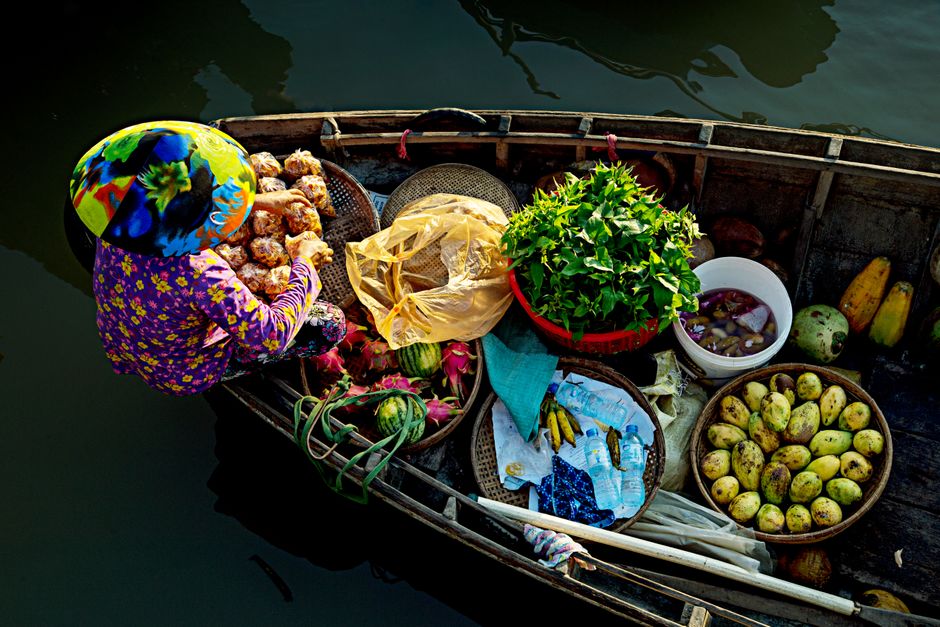
Floating markets offer a unique perspective on local life that traditional land markets simply can’t. Here, vendors conduct their business from small wooden boats, often laden with fresh produce, steaming bowls of noodle soup, or handmade crafts. Beyond the commerce, these markets are social hubs where locals meet, greet, and barter, offering travelers a genuine glimpse into everyday life.
Top Floating Markets to Explore in 2026
- Cai Rang Floating Market, Vietnam: Located in the Mekong Delta, Cai Rang is the largest floating market in the region. Start your journey at sunrise when the market is most active. Look out for the long poles protruding from each boat, displaying samples of what is for sale. Don’t miss trying the local breakfast, ‘pho’, served right from the boat.
- Damnoen Saduak, Thailand: This is perhaps the most famous and the most touristic of Thailand’s floating markets. While you may not have the place to yourself, its vibrancy is unmatched. It’s a place where you can buy everything from tropical fruits to traditional Thai silk. Engage with friendly vendors and try some ‘khao lam’, sweet sticky rice cooked in bamboo.
- Lok Baintan Floating Market, Indonesia: Located in South Kalimantan, this market has been operational since the 16th century. It is less crowded than its Vietnamese and Thai counterparts, offering a more intimate experience. Here, you can find exotic fruits like ‘rambutan’ and traditional snacks like ‘kerupuk’ (crackers).
How to Experience the Markets Like a Local
To truly appreciate these floating markets, consider hiring a local guide. Guides can help you understand the significance of what you’re seeing, offer translation services, and help navigate the sometimes-confusing layout of the markets. Also, remember to go early. Most activity happens at dawn, and by mid-morning, the market starts to wind down.
Practical Tips for Visiting Floating Markets
- Timing: As mentioned, early morning visits are best. Aim to arrive by 6 AM to catch the flurry of activity.
- Bargaining: While prices are relatively cheap, bargaining is expected. Approach it with a smile – it’s all part of the experience!
- Safety: Ensure your belongings are secure. Boats can get crowded, and it’s easy to lose track of things.
- What to Bring: Bring a reusable water bottle, sunscreen, and a hat to protect against the sun.
Takeaway: A Journey of Cultural Immersion
Floating markets provide a rare opportunity to connect with the heart and soul of Southeast Asian cultures. In 2026, as you traverse these riverways, take time to savor the moments, taste the local delicacies, and engage with the friendly faces that make these markets so special. It’s an experience that promises not just souvenirs, but memories that will linger long after your trip.