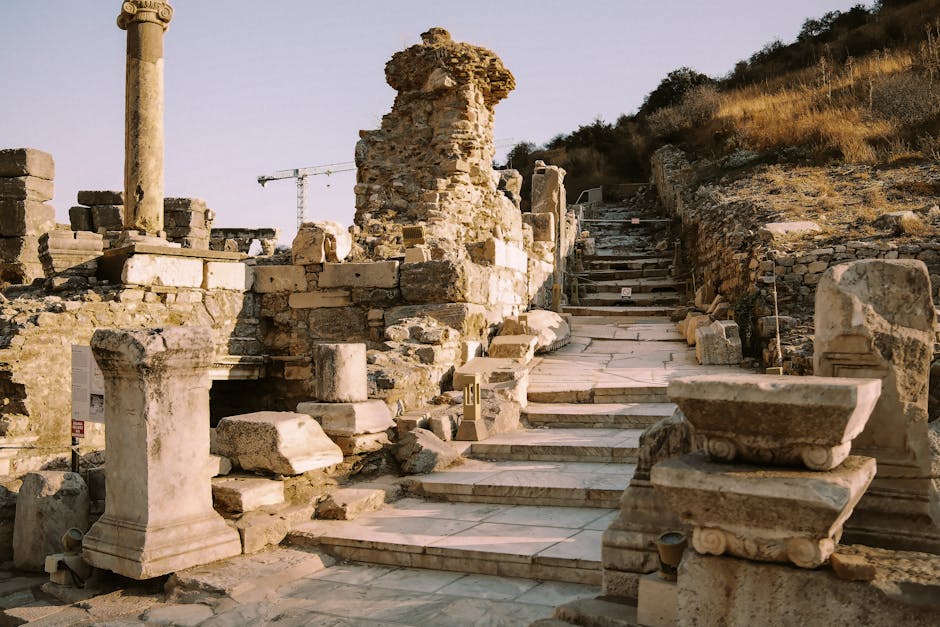

Traveling is not just about seeing new places; it’s about experiencing the stories etched into the landscapes and the echoes of long-lost eras. As we step into 2026, let’s embark on a journey through time, exploring some of the world’s most captivating historical sites. These destinations promise not only visual splendor but also a deep dive into the narratives that shaped our world.
The Timeless Majesty of Machu Picchu
Nestled high in the Peruvian Andes, Machu Picchu remains one of the most awe-inspiring remnants of the Inca Empire. This 15th-century citadel, often shrouded in mist and mystery, offers travelers a glimpse into the remarkable engineering and sophisticated city planning of the Incas. As you walk along its ancient stone pathways, imagine the bustling life of the past, where priests, farmers, and warriors once mingled. To enhance your experience, consider hiking the Inca Trail for an immersive journey through lush landscapes leading to the citadel.
Petra: The Rose City of Jordan
Carved into vibrant red sandstone cliffs, Petra is a testament to human ingenuity and artistic brilliance. This archaeological marvel, often referred to as the Rose City, was the thriving capital of the Nabataean Kingdom. As the sun casts its golden hues, Petra’s Treasury, the Siq, and the Monastery transform into a breathtaking spectacle. In 2026, take advantage of new guided stargazing tours that allow you to appreciate the desert’s night sky from the heart of Petra, connecting you to the ancient astronomers who once studied the same stars.
The Whispering Walls of Angkor Wat

Angkor Wat in Cambodia is not just a temple; it’s an epic tale carved in stone. This vast complex is the largest religious monument in the world and a key site of Khmer architecture. Explore its intricate bas-reliefs, depicting stories from Hindu mythology and historical events. As you wander through this UNESCO World Heritage site, the harmony of nature and spirituality is palpable. In 2026, new visitor pathways are being introduced to ease congestion, ensuring a serene experience as you soak in the spiritual ambiance.
Rome’s Colosseum: Echoes of Ancient Glory
The Colosseum stands as an enduring symbol of the power and grandeur of the Roman Empire. This iconic amphitheater, constructed in AD 70-80, hosted gladiatorial contests and public spectacles. Walk through the same corridors where emperors and citizens once cheered for the games, and explore the underground chambers where gladiators prepared for battle. Recent restorations have opened up previously restricted areas, offering a more comprehensive view of this architectural marvel in 2026.
The Great Wall of China: A Monumental Feat
Stretching over 13,000 miles, the Great Wall of China is a staggering feat of ancient engineering. Built to protect Chinese states from invasions, it is a testament to perseverance and human will. Each section of the wall offers a different story and landscape, from the lush forests of Jinshanling to the desert vistas of Jiayuguan. In 2026, eco-friendly travel initiatives have been introduced, allowing visitors to explore lesser-known sections of the wall while minimizing environmental impact.
Practical Tips for History Enthusiasts in 2026
- Plan Ahead: Many historical sites now offer virtual tours and online ticketing. Check availability and book in advance to secure your spot.
- Guided Tours: Opt for guided tours to gain deeper insights from knowledgeable locals who bring history to life with their stories.
- Respect the Sites: These landmarks are fragile and irreplaceable. Follow guidelines and stay on designated paths to preserve them for future generations.
- Off-Peak Visits: Visit during off-peak hours or seasons to enjoy a more intimate experience and avoid the crowds.
As you explore these historical sites, remember that you’re not just visiting places; you’re stepping into the stories of the past. Let these journeys through time deepen your appreciation for the rich tapestry of human history as we move forward into 2026 and beyond.