Understanding the Aurora Borealis

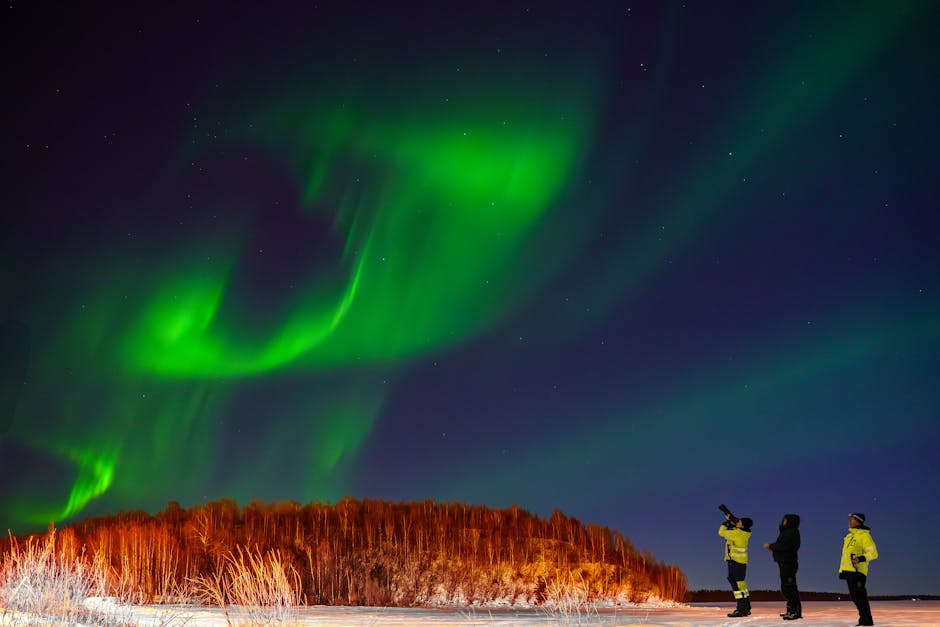
The Northern Lights, or Aurora Borealis, are one of Earth’s most stunning natural phenomena. This ethereal display of colored lights dancing across the night sky has captivated humans for millennia. The magic stems from charged particles from the sun colliding with Earth’s atmosphere, creating vibrant curtains of green, purple, and even red hues.
Top Destinations to Witness the Lights
2026 offers some exceptional spots to witness this celestial performance. Here’s where you should head:
- Tromsø, Norway: Nestled within the Arctic Circle, Tromsø is renowned for its vibrant cultural scene and easy access to prime aurora viewing spots. Visit the Tromsø Wilderness Centre for guided tours that take you far from city lights.
- Reykjavik, Iceland: Just a short drive from the city, the Thingvellir National Park offers stunning landscapes and undisturbed vistas to enjoy the lights. Plus, Reykjavik’s geothermal pools provide a warm vantage point.
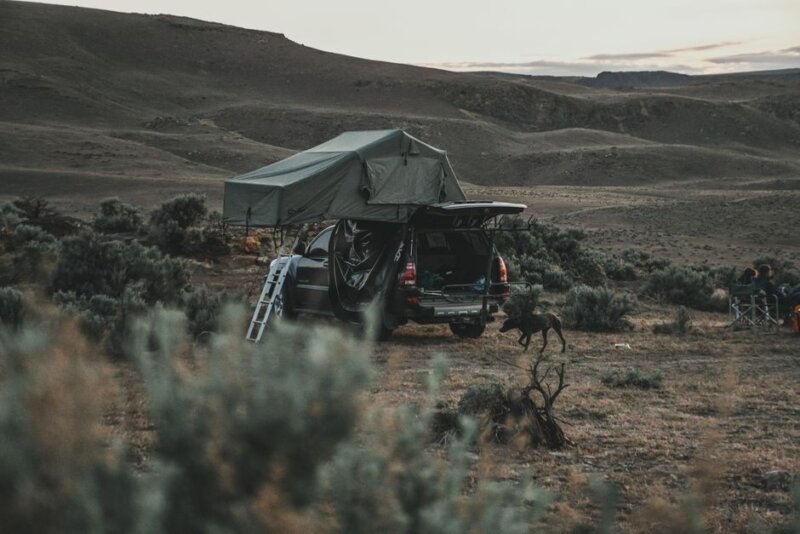
- Yukon, Canada: The vast wilderness of Yukon offers some of the clearest skies. Consider Whitehorse as your base, where local guides provide cozy viewing tents for a comfortable experience.
- Abisko, Sweden: Known for its clear skies, Abisko National Park is a haven for aurora chasers. The park’s Aurora Sky Station is a must-visit for an optimal viewing experience.
- Murmansk, Russia: As one of the largest cities within the Arctic Circle, Murmansk provides not just a glimpse of the lights but a taste of Russian culture and history as well.
Best Time to Observe the Northern Lights
While the Northern Lights are visible from late September to early April, the peak season is usually between December and February. These months offer the longest nights and, often, the clearest skies. However, the geomagnetic activity, which causes the auroras, does not adhere strictly to the calendar, so staying flexible with your travel plans can increase your chances of seeing a spectacular display.
Gear Up: What to Pack for an Aurora Adventure
Before you embark on your aurora adventure, it’s crucial to pack the right gear:
- Layered Clothing: The Arctic regions can be unforgivingly cold. Opt for thermal undergarments, woolen layers, and a weather-proof outer layer.
- Photography Equipment: A DSLR or mirrorless camera with manual settings, a sturdy tripod, and extra batteries (which deplete faster in cold weather) are essential for capturing the lights.
- Portable Charger: To ensure your devices stay juiced up in the cold, carry a reliable portable charger.
- Snacks and Hot Beverages: Warm beverages and high-energy snacks can make a night out under the stars more enjoyable.
Respecting Local Cultures and Environments
When traveling to these unique regions, it’s important to respect local cultures and the fragile environments. Many of the communities within the Arctic Circle rely on tourism, so supporting local businesses and practicing sustainable travel can help preserve these destinations for future generations. Remember, what you bring in, you must take out. Leave no trace and tread lightly.
Practical Takeaway
Chasing the Northern Lights is an adventure like no other. Whether you’re marveling at the display from a snowy field in Sweden or a geothermal pool in Iceland, preparation and respect for the environment are key. Embrace the cold, pack wisely, and savor the experience of witnessing one of the Earth’s most magical spectacles.