The Rise of Sustainable Aviation Fuel

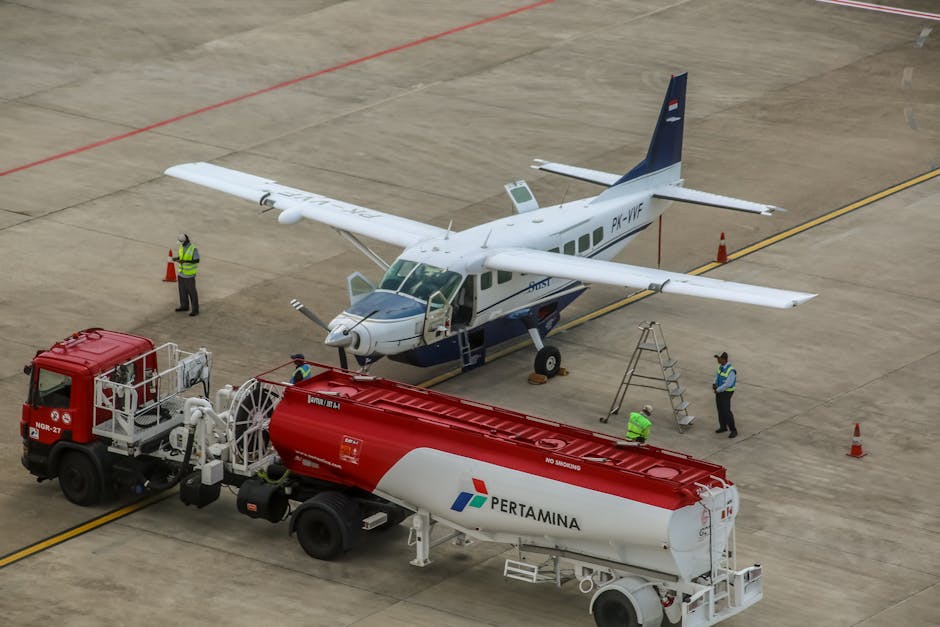
It’s 2026, and the aviation industry is soaring towards a greener future. One of the most significant strides has been the adoption of Sustainable Aviation Fuel (SAF). Unlike traditional jet fuel, SAF is produced from renewable resources like plant oils, agricultural residues, or municipal waste. Major airlines such as Delta and Lufthansa have committed to integrating SAF into their regular operations, aiming for a 50% reduction in emissions by 2030. Recent studies indicate that SAF can reduce carbon emissions by up to 80% over its lifecycle, making it a game-changer for eco-conscious travelers.
Electric Planes: The New Frontier
Electric planes are no longer a far-off dream; they are the reality of 2026. Companies like Eviation and Pipistrel have successfully developed fully electric aircraft that can carry up to 20 passengers for distances of approximately 300 miles. These electric planes are perfect for regional flights, providing a zero-emissions alternative to traditional short-haul travel. Imagine flying from San Francisco to Los Angeles with nothing but the hum of electric engines beneath you. In 2026, this is now possible.
Hybrid Electric Aircraft Taking Off
While fully electric planes are making waves, hybrid electric aircraft are steadily gaining traction. Combining traditional engines with electric power, these planes offer greater range and flexibility. Airbus’s E-Fan X, a hybrid-electric demonstrator, successfully completed its maiden flight this year, indicating promising potential for commercial use. These aircraft can significantly reduce fuel consumption and emissions, paving the way for more sustainable long-distance flights in the near future.
Carbon Offset Programs: A Growing Trend
Many airlines have introduced enhanced carbon offset programs, allowing passengers to compensate for their flight emissions. By investing in reforestation projects, renewable energy initiatives, or methane capture programs, travelers can help neutralize their carbon footprint. In 2026, the transparency and effectiveness of these programs have improved significantly, with real-time tracking of how funds are utilized. For instance, British Airways has partnered with several verified projects in the Amazon rainforest, ensuring that every dollar spent is making a tangible difference.
Airport Innovations for a Greener Journey
It’s not just the planes that have gone green; airports around the world are also stepping up their sustainability game. From solar-powered terminals to advanced waste management systems, these innovations are transforming the aviation landscape. Singapore Changi Airport, for example, has implemented a zero-waste policy, recycling over 80% of its waste. Similarly, Oslo Airport has become the first in the world to offer biofuel to all airlines, further promoting eco-friendly practices across the board.
Practical Takeaway: How to Make Your Flights Greener
So, how can you ensure that your air travel aligns with your eco-friendly values? Start by choosing airlines that prioritize sustainability and have transparent carbon offset programs. Look for flights that use SAF or offer hybrid or electric options for short-haul journeys. Additionally, consider offsetting your carbon footprint through verified programs and support airports that are leading the way in green initiatives. By making informed choices, you can contribute to a more sustainable future for air travel.