The Rise of Eco-Friendly Viticulture
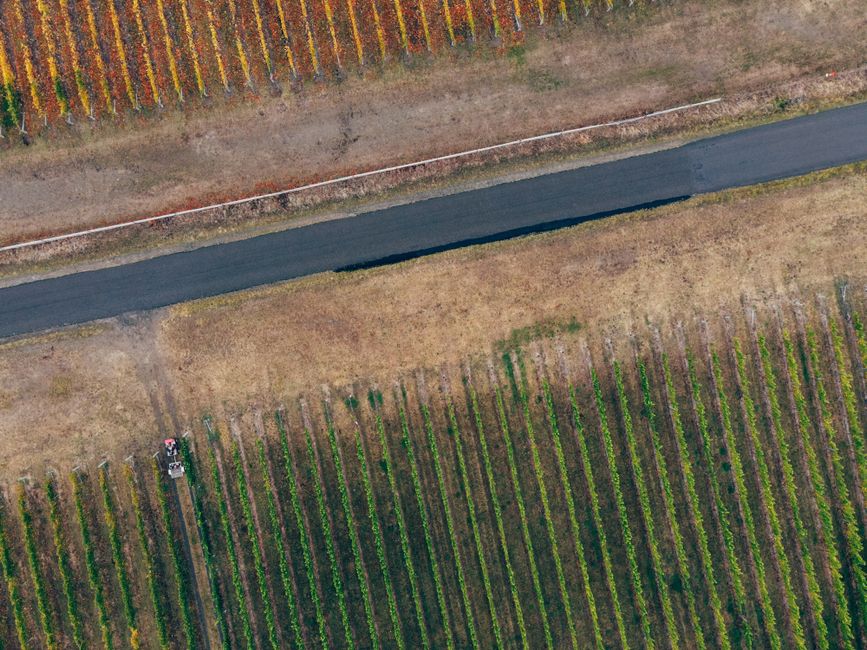
In 2026, sustainable wine production is more than just a trend—it’s a revolution reshaping the global wine landscape. As climate change impacts vineyards worldwide, winemakers are adopting eco-friendly practices to ensure the longevity and quality of their craft. This shift not only preserves our environment but also enriches the flavors and diversity of wines on our tables.
The Loire Valley: France’s Green Wine Revolution
France has long been synonymous with exquisite wines, but the Loire Valley is leading the charge in eco-conscious viticulture. With over 2,500 hectares dedicated to organic farming, the region is a pioneer in sustainable practices. Winemakers here are experimenting with biodynamic techniques, using natural cycles and compost to enrich the soil. Visitors can tour vineyards like Domaine Huet, savoring Vouvray wines crafted with minimal intervention, all while enjoying the valley’s breathtaking landscapes.
California’s Central Coast: A Hub for Innovation
California’s central coast has become a beacon for sustainable winemaking innovation. Santa Barbara and Paso Robles, in particular, have embraced solar energy, water conservation, and organic farming. At Tablas Creek Vineyard, a founding member of the Regenerative Organic Alliance, you can witness the practices that go beyond organic to improve soil health and biodiversity. The tasting rooms here offer not just excellent Rhone varietals but also a glimpse into the future of responsible wine production.
Chile’s Casablanca Valley: Natural Wine Movement
Chile’s Casablanca Valley is leading the natural wine movement, where producers emphasize low-intervention techniques. These wines are crafted without the use of added sulfites or artificial yeasts, allowing the true character of the terroir to shine through. At Bodega RE, visitors can taste wines aged in clay amphorae, a nod to ancient techniques. The valley’s cool coastal climate and commitment to sustainability make it a must-visit for eco-conscious oenophiles.
South Africa’s Swartland: The New Frontier
South Africa’s Swartland wine region is celebrated for its rugged beauty and innovative winemakers. Here, the Swartland Independent Producers, a group of like-minded wineries, advocate for sustainable farming methods and minimal intervention. The region’s dry-farming techniques and use of bush vines are adapted to the challenging climate, resulting in wines with intense flavors and a deep sense of place. A visit to Mullineux & Leeu Family Wines offers an insight into the artistry and dedication to sustainability that defines this vibrant region.
Practical Tips for Eco-Conscious Wine Tourism
If you’re planning to explore these sustainable wine regions in 2026, here are some practical tips to enhance your experience:
- Choose eco-friendly accommodations: Many wine regions offer sustainable lodging options that complement the ethos of the vineyards. Look for eco-certifications when booking your stay.
- Visit during the harvest: The harvest season, typically late summer to early fall, is the best time to witness sustainable practices in action and enjoy the freshest wines.
- Engage in tours and tastings: Take part in vineyard tours that emphasize the sustainable journey from vine to bottle. Engaging with winemakers can deepen your appreciation for their eco-friendly efforts.
- Support local initiatives: Purchase wines directly from the vineyards or local markets to support the communities and reduce the carbon footprint associated with shipping.
Visiting these regions is not just about enjoying great wine; it’s about embracing a responsible, sustainable lifestyle that supports the planet and its resources.