An Introduction to Southeast Asia’s Floating Villages
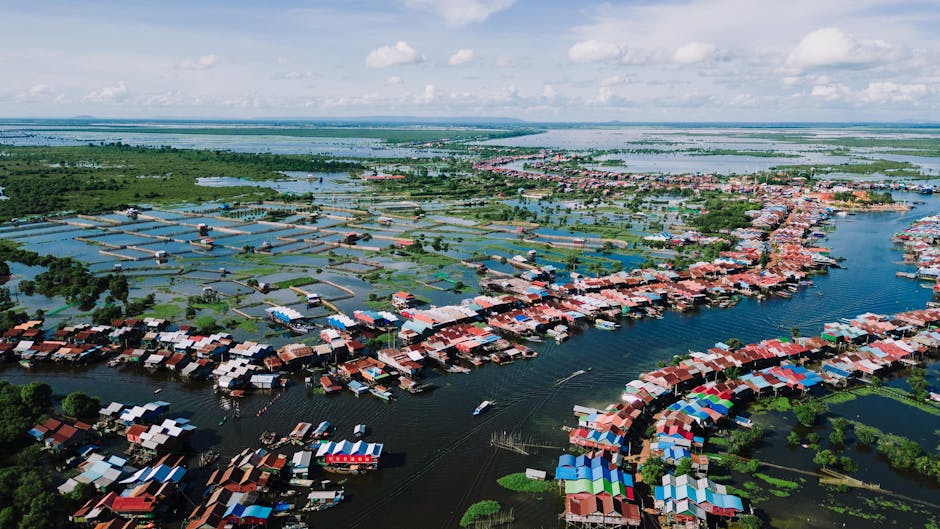
Picture yourself gliding through tranquil waters, surrounded by houses that seem to hover above the surface. Welcome to the floating villages of Southeast Asia, where communities live harmoniously with the ebb and flow of the tides. These unique settlements offer a glimpse into a way of life that is both fascinating and deeply connected to nature. In 2026, these floating villages remain some of the most intriguing travel destinations, each offering a distinct cultural tapestry to explore.
Chong Khneas, Cambodia: A Gateway to Tonlé Sap
One of the most famous floating villages, Chong Khneas, sits at the edge of the vast Tonlé Sap Lake near Siem Reap. This village is a living testament to Cambodia’s resilient spirit, adapting to the lake’s seasonal changes. Visitors can take a guided boat tour to observe daily life on the water, from fishing and trading to floating schools and homes. Don’t miss sampling fresh fish at one of the floating restaurants, where you can taste local flavors while enjoying panoramic views of the lake.
Vinh Long, Vietnam: A Mekong Delta Experience
Moving over to Vietnam, Vinh Long offers a captivating experience of the Mekong Delta’s waterways. This region is a labyrinth of rivers, swamps, and floating markets where locals sell everything from fresh produce to handmade crafts. Hire a local guide to navigate through these waters, stopping by floating villages where you can engage with the community and even participate in traditional activities like rice paper making. It’s a journey that immerses you in Vietnam’s rich agricultural landscape and vibrant culture.
Inle Lake, Myanmar: Serene Beauty Amidst Floating Gardens

Set against a backdrop of lush mountains, Inle Lake in Myanmar is renowned for its floating gardens and stilt villages. The Intha people, known for their unique leg-rowing technique, have cultivated a lifestyle intertwined with the lake’s resources. Visitors can explore the floating farms, where tomatoes and other crops grow on beds of water hyacinth and mud. The village of Ywama offers a chance to see traditional silversmiths at work, and the peaceful setting makes it perfect for relaxation and reflection.
Practical Tips for Visiting Floating Villages
- Timing is Everything: The best time to visit these villages is during the dry season when the waters are calm, and navigation is easy. In Cambodia, visit between November and April, while in Vietnam and Myanmar, December to March is ideal.
- Hire Local Guides: Supporting local economies by hiring guides from the village not only enriches your experience with authentic stories but also ensures you travel responsibly.
- Respect the Culture: Remember to dress modestly and ask for permission before taking photographs of the locals. These are homes and not tourist attractions.
- Environmental Awareness: Be conscious of the environmental impact of your visit. Avoid using plastic and participate in eco-friendly tours that promote sustainability.
Where to Stay: From Floating Hotels to Local Homestays
For those looking to extend their stay, there are several accommodations that offer unique perspectives of these waterborne communities. In Cambodia, the Aqua Mekong offers a luxury cruise experience along the Tonlé Sap, complete with onboard amenities and guided excursions. Alternatively, consider staying in a local homestay in Vietnam’s Mekong Delta, where you can immerse yourself in village life and enjoy home-cooked meals with your hosts. Meanwhile, in Myanmar, the Inle Princess Resort provides charming lakeside bungalows that blend comfort with authenticity.
Practical Takeaway
Visiting Southeast Asia’s floating villages in 2026 is not just a journey through captivating landscapes but also an exploration of the resilience and adaptability of human culture. By traveling responsibly and engaging with these communities, travelers can contribute to the preservation of these unique ways of life while gaining a deeper understanding of a world where land and water intertwine seamlessly.