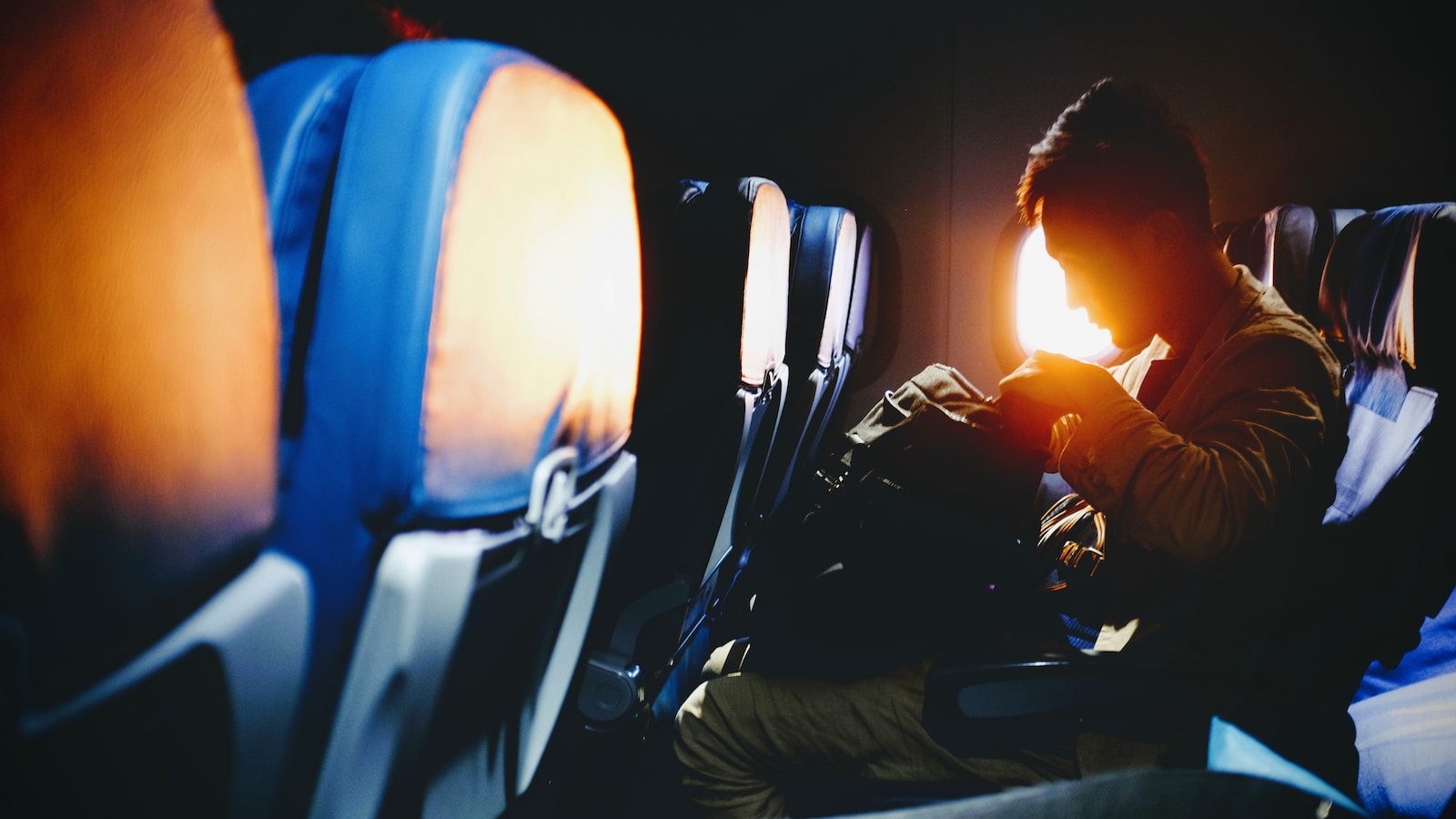
Jet lag is a common phenomenon experienced by travelers who cross multiple time zones. It occurs when the body’s natural circadian rhythm is disrupted, leading to fatigue, insomnia, and other symptoms. For many people, jet lag can be a major hindrance to enjoying their travels as it takes days or even weeks for them to fully adjust to the new time zone.
Fortunately, there are strategies that can help conquer jet lag on your next trip. These strategies include understanding your circadian rhythm and adjusting sleep patterns before travel, staying hydrated during flights, exposing oneself to sunlight at specific times of day in the new destination, and taking advantage of technology such as wearable devices to track sleep patterns. By implementing these techniques, travelers can minimize the effects of jet lag and maximize their enjoyment of their travels without feeling weighed down by exhaustion and disorientation.
Understanding Your Circadian Rhythm
The human body has an internal biological clock known as the circadian rhythm, which regulates our sleep-wake cycle. Understanding this natural mechanism is crucial when it comes to dealing with jet lag. The circadian rhythm responds primarily to external cues such as light and dark signals, regular meal timing, and exercise patterns. Therefore, one of the most effective strategies for combating jet lag involves adjusting your routine in advance to align with your destination’s local time.
Sleep hygiene plays a significant role in regulating the circadian rhythm. It refers to good practices that promote quality sleep, including maintaining a consistent bedtime schedule and avoiding stimulating activities before bed. Melatonin supplements can also help regulate sleep cycles by mimicking the hormone produced naturally by the brain at nightfall. However, experts suggest using them cautiously under medical supervision due to potential side effects.
Meal timing and caffeine consumption are other factors that influence the body’s internal clock. Adjusting mealtimes according to your destination’s local time can assist in resetting your body’s rhythms faster while reducing digestive disruptions during travel. Meanwhile, consuming caffeine can counteract feelings of fatigue temporarily but may also delay sleep onset if taken too close to bedtime or consumed excessively throughout the day. By understanding these basics of circadian regulation, you’ll be better equipped to conquer jet lag on your next journey without sacrificing rest or freedom.
Adjusting Sleep Patterns Before Travel
Understanding your circadian rhythm is crucial in formulating effective strategies for conquering jet lag on your next trip. The human body has a natural internal clock that regulates the sleep-wake cycle, and any disruptions to this rhythm can lead to various symptoms of jet lag such as fatigue, insomnia, irritability, and difficulty concentrating. Therefore, it is essential to prepare accordingly before traveling.
One way of adjusting your sleep patterns before travel is by gradually shifting your bedtime and wake-up time closer to the destination’s time zone. This method helps your body adapt to the new schedule and reduces the impact of jet lag upon arrival. Additionally, avoiding caffeine and alcohol during flights can help regulate sleep patterns as they interfere with normal sleeping cycles.
In some cases, using sleep aids or melatonin supplements may be beneficial in promoting better quality rest while combating jet lag’s effects. However, it is important to consult with a healthcare provider before taking any medication as there may be potential side effects or interactions with other medications you are currently taking. Overall, preparing yourself mentally and physically through proper rest and hydration before a long flight can significantly reduce the severity of jet lag symptoms upon arrival at your destination.
Staying Hydrated During Flights
Symbolism is often used to convey messages and ideas that are difficult to express through words. Just as a plant needs water to grow, the human body requires hydration for optimal function. The importance of water cannot be overstated, especially during long flights where dehydration can exacerbate jet lag symptoms.
Many people turn to alcohol as a way to relax during flights, but this habit should be avoided at all costs. Not only does alcohol dehydrate the body, but it also disrupts sleep patterns and worsens jet lag symptoms. Instead, opt for non-alcoholic beverages such as water or herbal tea which will help keep you hydrated and improve your overall well-being.
Staying hydrated during flights is crucial for combating jet lag and ensuring that you arrive at your destination feeling refreshed and energized. By drinking plenty of water throughout your journey and avoiding alcohol, you’ll give your body the fuel it needs to stay healthy and strong in unfamiliar surroundings. Don’t forget – staying hydrated isn’t just about quenching thirst; it’s about giving yourself the freedom to explore new destinations with an open mind and an adventurous spirit.
Exposing Yourself To Sunlight
Sunlight exposure is a crucial factor in resetting our internal clock, which can help alleviate the symptoms of jet lag. Research has shown that exposing yourself to sunlight at specific times during the day can aid in regulating your circadian rhythm. This means that getting enough natural light could be an effective way to reduce fatigue and promote alertness.
One of the most straightforward ways to expose yourself to sunlight is by engaging in outdoor activities such as walking, jogging or cycling. These activities not only provide you with ample amounts of sunshine but also keep your mind and body active. It’s recommended that you spend at least 20-30 minutes outdoors every morning after waking up as this helps set your circadian rhythm for the rest of the day.

If you’re travelling across time zones, it’s essential to adjust to local time as soon as possible. To achieve this, make sure you spend more time outside during daylight hours and avoid bright lights before bedtime, as they can suppress melatonin production. Additionally, if you arrive at your destination early in the day or afternoon, try to stay awake until night-time local time so that your body will be better equipped to adapt quickly to its new environment.
Using Wearable Devices To Track Sleep Patterns
Tracking sleep patterns is an essential strategy for conquering jet lag. Wearable devices can be beneficial in this regard, as they provide valuable data on your sleep quality and quantity. These devices use advanced technology to monitor various aspects of your sleep, including the time spent in each stage of sleep, heart rate variability, and breathing patterns.
One popular technique for tracking sleep using wearable devices is called actigraphy. This method involves wearing a device that tracks movement throughout the night. By analyzing changes in movement patterns, these devices can estimate how long you spend in each stage of sleep. Another approach is polysomnography, which uses sensors to measure brain activity, eye movements, muscle tension, and other physiological indicators during sleep.
Using a wearable device to track your sleep patterns has several benefits when it comes to combating jet lag. First, it allows you to identify any disruptions or irregularities in your sleeping habits that may be contributing to fatigue or insomnia. Second, by monitoring the amount and quality of your restorative deep sleep and REM cycles, you can adjust your bedtime routine or take naps strategically throughout the day to optimize recovery from travel-related exhaustion. Lastly, having access to objective data about your sleep hygiene helps you make informed decisions about lifestyle changes that will improve overall health and well-being.
Incorporating Exercise Into Your Travel Plans

Having a good night’s sleep is crucial to overcoming jet lag, but incorporating exercise into your travel plans can also help. Outdoor activities are an excellent way of staying active while exploring new surroundings. A hiking or biking trip allows you to enjoy the scenery and get some much-needed fresh air.
If outdoor activities aren’t your thing, consider getting a gym membership at a local fitness center. Many hotels have gyms on-site that guests can use for free or at discounted rates. Alternatively, research nearby gyms before your trip and sign up for a short-term membership. Exercise releases endorphins, which will give you an energy boost and help regulate your body clock.
Incorporating exercise into your travel plans may seem daunting, but it doesn’t have to be complicated. Even small amounts of physical activity can make a big difference in how quickly you adjust to the time zone changes. Whether it’s going for a brisk walk around town or hitting the hotel gym before breakfast, finding ways to stay active during your travels will ultimately leave you feeling more refreshed and ready to take on whatever adventures come your way.
Seeking Professional Advice For Severe Jet Lag
The journey from one time zone to another can significantly disrupt the body’s circadian rhythm, resulting in jet lag. In severe cases, people might find themselves unable to perform everyday activities due to extreme fatigue and lethargy. Jet lag remedies such as natural supplements are readily available but may not always be effective for those struggling with more severe symptoms.
For individuals experiencing severe jet lag, seeking professional advice is highly recommended. A doctor or a travel medicine specialist could offer personalized recommendations based on an individual’s medical history and specific circumstances. This option also allows for proper diagnosis of underlying health conditions that may contribute to worsened jet lag symptoms.
Natural supplements like melatonin have become increasingly popular among travelers as a way to combat jet lag. However, it is important to note that these substances are not regulated by the FDA and their effectiveness has yet to be fully researched. For this reason, consulting a healthcare professional before taking any supplement is vital, especially if you suffer from other medical conditions or take medication regularly.
Conclusion
Jet lag can be a frustrating and exhausting experience for travelers, but there are several strategies that can help conquer it. Understanding your circadian rhythm is crucial in determining the best approach to managing jet lag. Adjusting sleep patterns before travel and staying hydrated during flights are also effective ways to ease symptoms.
Exposing yourself to sunlight, using wearable devices to track sleep patterns, incorporating exercise into your travel plans, and seeking professional advice for severe cases of jet lag are all additional options worth considering. By implementing these techniques, you may find that jet lag no longer interferes with your ability to enjoy your travels fully.