Introduction to an Underrated Paradise
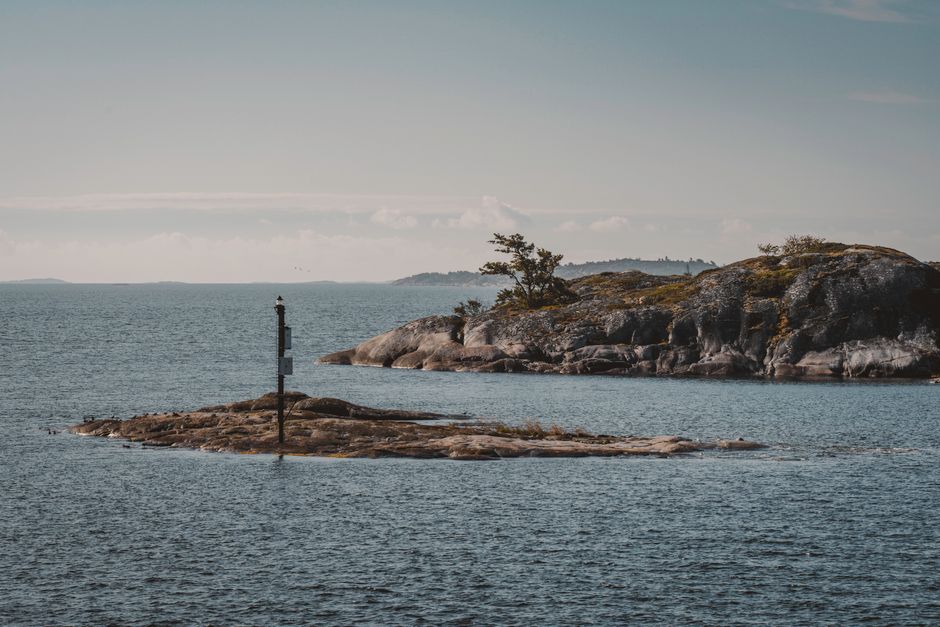
Surrounded by the cool, mesmerizing waters of Northern Europe, the Baltic Sea is home to thousands of islands, each with its unique charm and story. While most travelers flock to the Mediterranean for their island-hopping adventures, the Baltic offers a less-trodden path teeming with history, nature, and culture that is just waiting to be explored in 2026. This guide is your ticket to diving into the Baltic’s hidden gem archipelagos.
Why Choose the Baltic?
The Baltic Sea, bordered by nine countries, offers a diverse tapestry of experiences. From the serene landscapes of the Swedish Archipelago to the cultural richness of Estonia’s islands, there’s something for everyone. The region is increasingly popular among those seeking sustainable travel options, with eco-friendly accommodations and green travel initiatives on the rise.
Moreover, the Baltic’s islands are steeped in history, with medieval castles, ancient ruins, and quaint fishing villages that provide a glimpse into the past. In 2026, expect fewer crowds, allowing for a more intimate and personalized travel experience.
Top Islands to Explore
- Gotland, Sweden:
Renowned for its medieval town of Visby, a UNESCO World Heritage site, Gotland is Sweden’s largest island. The island is peppered with ancient churches and ruins that tell the tales of the Vikings. Don’t miss the annual Medieval Week in August, which brings history to life with reenactments and markets.
- Saarenmaa, Estonia:
This island offers a perfect blend of nature and history. Visit the Kaali Meteorite Crater, one of the rare meteorite craters in Europe, or explore the well-preserved Kuressaare Castle. The island is also known for its unique windmills and traditional Saaremaa beer, a must-try.
- Aland Islands, Finland:
Aland, an autonomous region of Finland, is an archipelago consisting of over 6,500 islands. The main island, Fasta Åland, boasts beautiful landscapes and a rich maritime culture. Cycling is popular here, thanks to the well-marked trails that offer stunning coastal views.
- Hiiumaa, Estonia:
Known for its lighthouses and unspoiled nature, Hiiumaa is a paradise for hikers and nature lovers. The island is home to ancient forests, sandy beaches, and the iconic Kõpu Lighthouse, one of the oldest lighthouses in the world.
How to Get Around

Traveling between the islands of the Baltic is an adventure in itself. Ferries are the most common mode of transport, with regular services connecting major islands throughout the year. In 2026, many ferry operators have introduced eco-friendly vessels, reducing the carbon footprint of your travels.
For those seeking a more personalized experience, consider chartering a sailing boat. This allows for greater flexibility and the opportunity to discover hidden coves and beaches inaccessible by larger ferries.
Practical Tips for Your Baltic Adventure
- Plan for the Weather: The Baltic region’s weather can be unpredictable. Pack layers, rain gear, and always check the forecast before heading out.
- Currency and Payments: While most islands accept credit cards, it’s wise to carry some local currency, especially in smaller towns.
- Respect Local Customs: Each country surrounding the Baltic has its own traditions and languages. Learning a few basic phrases and cultural norms can go a long way in enhancing your travel experience.
- Sustainable Travel: Opt for eco-friendly accommodations and participate in local conservation efforts to preserve the beauty of these islands for future generations.
Your Takeaway
The Baltic Sea’s islands offer a unique blend of history, nature, and tranquility that’s increasingly rare in today’s crowded tourist hotspots. As you plan your 2026 travels, consider the Baltic for an island-hopping adventure that promises both discovery and relaxation. Pack wisely, respect the local cultures, and embark on a journey that will undoubtedly leave you with unforgettable memories.