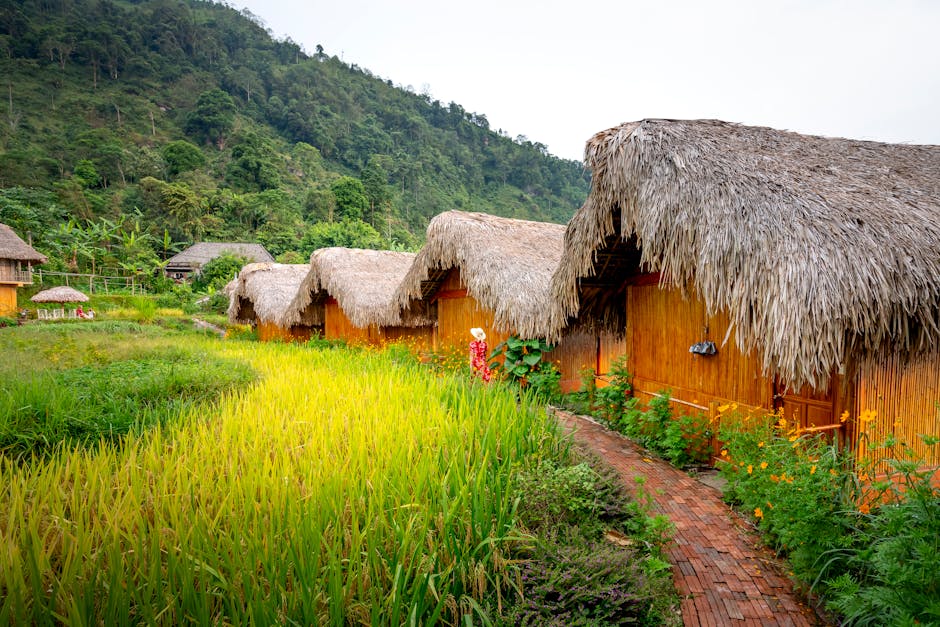
Introduction to Ecovillages
In 2026, the concept of ecovillages has surged in popularity, evolving into a unique travel trend and lifestyle choice for environmentally conscious globetrotters. These intentional communities are designed to be socially, economically, and ecologically sustainable, offering visitors a glimpse into a future where harmony with nature is not just a dream but a lived reality. Let’s explore some of the most captivating ecovillages that you can visit this year.
Findhorn Foundation, Scotland
Nestled in the northeast of Scotland, the Findhorn Foundation is an exemplary ecovillage known worldwide for its spiritual and educational initiatives. Established more than half a century ago, Findhorn combines sustainable living with an emphasis on personal growth and community connection. Visitors can engage in various workshops that focus on personal development, environmental awareness, and creative arts.
Findhorn’s pioneering approach to ecological building and renewable energy makes it an ideal destination for those looking to learn and live sustainably. The community operates on a mix of wind turbines, solar panels, and biomass boilers, providing an opportunity for guests to experience off-the-grid living firsthand.
Auroville, India
Auroville, located in the southern Indian state of Tamil Nadu, is another fascinating example of an ecovillage. Founded in 1968 as a universal township devoted to an experiment in human unity, Auroville now houses over 3,000 residents from around the globe. Here, travelers can experience a melting pot of cultures committed to a sustainable and harmonious way of life.
The community’s commitment to organic farming, renewable energy, and waste management is impressive. Guests can participate in daily activities centered around these themes or simply enjoy the serene surroundings of Auroville’s lush greenery and unique architecture.
Crystal Waters, Australia
Australia’s first ecovillage, Crystal Waters, is tucked away in the Sunshine Coast hinterland of Queensland. Established in 1985, it has become a model for sustainable community living. The village’s 85 households share 650 acres of pristine land, 80% of which is dedicated to communal green spaces and wildlife habitats.
Visitors to Crystal Waters can take part in permaculture design courses, learn about sustainable building practices, or indulge in the local arts and crafts. The community also hosts regular markets and events, making it a lively place to visit for those interested in sustainable farming and local culture.
Sieben Linden, Germany
Sieben Linden is one of Germany’s largest ecovillages, situated in the lush countryside of Saxony-Anhalt. Known for its deep commitment to environmental and social sustainability, Sieben Linden is a thriving community that has become a beacon for eco-conscious living in Europe.
The village’s architecture is notable for its use of natural building materials and energy-efficient designs. Whether staying in a straw bale house or participating in one of the many educational programs on offer, visitors can immerse themselves in a lifestyle that prioritizes minimal environmental impact.
Practical Takeaway
Visiting an ecovillage in 2026 offers more than just a travel experience; it’s an opportunity to learn about sustainable living practices that can be applied in everyday life. Whether you’re drawn to the spiritual harmony of Findhorn or the multicultural ethos of Auroville, these communities invite travelers to partake in a transformative journey. As you plan your next adventure, consider the potential of an ecovillage stay to enrich your understanding of sustainability and community living.