Introduction to the Northern Lights

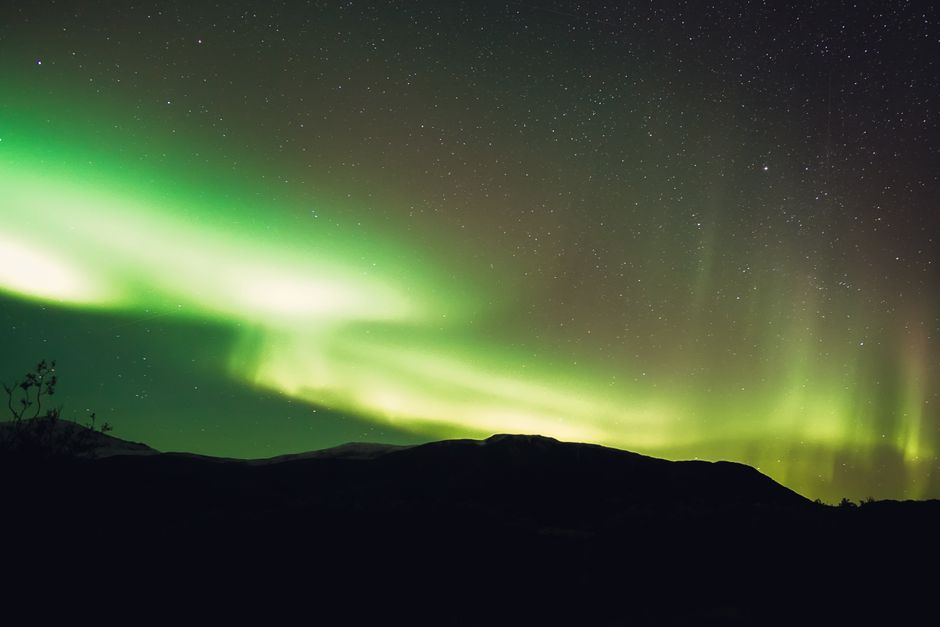
The ethereal dance of the Northern Lights, also known as the Aurora Borealis, has captured human imagination for centuries. This stunning natural phenomenon occurs when charged particles from the sun collide with atoms in Earth’s atmosphere, creating luminous green and pink waves across polar skies. While there are several places to witness this spectacle, 2026 brings new and exciting opportunities to experience it like never before.
Best Locations to Witness the Magic
- Tromsø, Norway: Often referred to as the “Gateway to the Arctic,” Tromsø offers one of the most consistent views of the Aurora. The city is nestled between fjords and mountains, providing both urban comforts and breathtaking natural landscapes. Stay at the Arctic TreeHouse Hotel for an intimate viewing experience right from your bed.
- Reykjavik, Iceland: Iceland’s capital is not just a hub of culture and geothermal activity; it’s also a prime spot for aurora viewing. Head to Thingvellir National Park, just an hour away from the city, for a more secluded experience. Opt for a guided tour with expert photographers to capture the perfect shot.
- Yellowknife, Canada: Located in the Northwest Territories, Yellowknife boasts a high frequency of clear skies and minimal light pollution. Visit in March to coincide with the annual Aurora Festival, where the town’s vibrant celebrations complement the night sky’s display.
Timing Your Journey for Maximum Impact
Timing is everything when it comes to experiencing the Northern Lights. The best months are from late September to early April, with peak activity often seen during the equinox months of September and March. Tracking solar activity can enhance your chances; websites like SpaceWeather.com provide real-time data on solar storms and predictions.
What to Pack for Your Arctic Adventure
Experiencing the Northern Lights means braving cold, often harsh climates. Warm, layered clothing is essential, as temperatures can plummet below freezing. Opt for thermal inner layers, a down jacket, and waterproof boots. Don’t forget a tripod and DSLR camera if you’re keen to photograph the aurora, along with extra batteries to combat the cold.
Cultural and Local Experiences to Enrich Your Trip
- Sami Culture in Lapland, Finland: Combine your aurora chase with a cultural exploration of the indigenous Sami people. Participate in traditional reindeer sleigh rides and savor Lappish cuisine like Arctic char and cloudberry desserts.
- Geothermal Spas in Iceland: After a night under the stars in Iceland, rejuvenate in one of the country’s many geothermal spas. The Blue Lagoon, with its milky waters set amid a lava field, offers a truly unique experience.
- Snowmobiling in Svalbard, Norway: For the more adventurous traveler, Svalbard offers thrilling snowmobiling excursions across its icy landscapes, providing opportunities to see polar bears and other Arctic wildlife.
Takeaway: A Once-in-a-Lifetime Experience

Chasing the Northern Lights is more than just witnessing a natural wonder; it’s an adventure that combines breathtaking landscapes, rich cultures, and unforgettable experiences. Whether you choose the snow-laden landscapes of Norway, the mystical terrains of Iceland, or the remote beauty of Canada’s territories, 2026 is the perfect year to make this dream a reality. Plan ahead, pack wisely, and prepare for a journey that will illuminate both the sky and your heart.