Introduction to the Aurora Borealis
The Northern Lights, or Aurora Borealis, have long fascinated travelers and sky-gazers, painting the night sky with surreal, dancing colors. Traditionally, these vibrant displays have been associated with Arctic regions, like Norway, Iceland, and Alaska. However, as solar activity peaks in 2026, it’s possible to catch this natural spectacle further south than ever before. Let’s explore where you can chase these majestic lights without heading too far north.
Understanding the 2026 Solar Cycle
This year marks a peak in the 11-year solar cycle, meaning heightened solar activity. This increases the chances of auroras appearing in regions typically too far south to witness this phenomenon. Understanding the solar cycle helps in planning your Northern Lights chase, as it influences the strength and frequency of the displays.
- Geomagnetic Latitude: During solar maximums, the auroral oval expands, making it visible at lower latitudes.
- Kp Index: This index measures geomagnetic activity; a Kp index of 5 or higher means auroras could be visible far from the poles.
Unexpected Places to See the Northern Lights in 2026
While the Northern Lights are traditionally viewed in the high Arctic, this year offers a chance to see them in more accessible locations. Here are a few places you might not expect:
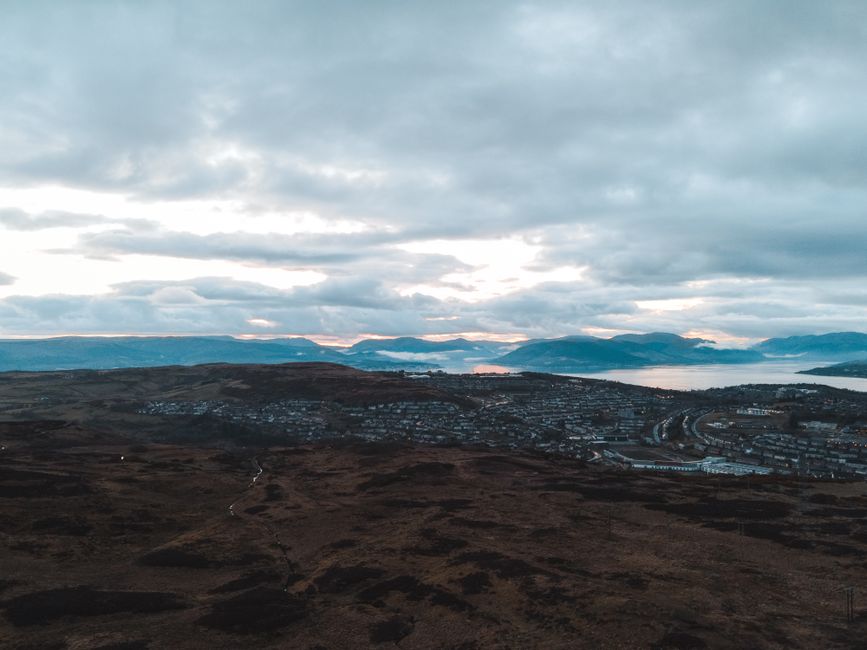
- Scotland, UK: Known as the ‘Mirrie Dancers’ in Shetland, the Northern Lights can be seen across Scotland. In 2026, regions like the Isle of Skye and the Outer Hebrides are prime locations.
- Maine, USA: A surprising contender, the forests and lakes of Maine provide a stunning backdrop for aurora viewing during intense solar activity.
- Hokkaido, Japan: While more famous for its snow festivals, in 2026, Japan’s northernmost island may offer views of the lights, especially on the coast away from city lights.
- New Zealand: The Aurora Australis, or Southern Lights, is the Southern Hemisphere’s equivalent. In 2026, residents might catch a show, especially in areas like Stewart Island.
How to Plan Your Northern Lights Adventure
Preparation is key to a successful aurora hunt. Here are a few tips:
- Check the Forecast: Websites and apps like AuroraWatch and My Aurora Forecast provide real-time aurora alerts based on the Kp index.
- Avoid Light Pollution: For the best view, find a dark location away from city lights. National parks or countryside areas are ideal.
- Stay Flexible: The Northern Lights can be unpredictable. Having a flexible schedule increases your chances of witnessing them.
- Patience is a Virtue: Be prepared to wait and watch the sky for several hours, as displays can be brief and spontaneous.
Experiencing the Mystical Magic
Seeing the Northern Lights is about more than just tickling an item off your bucket list. It’s a deeply moving experience that connects you with the rhythms of the planet and cosmos. Remember to enjoy the moment; sometimes, the memories are more vivid than any photo.
Final Thoughts
In 2026, chasing the Northern Lights is not just reserved for the adventurous souls traveling to the Arctic. With the heightened solar activity, it’s a magical opportunity for many to witness this spectacular natural display without venturing far from home. Pack your bags, grab your camera, and keep an eye on the sky—nature’s most breathtaking light show awaits.