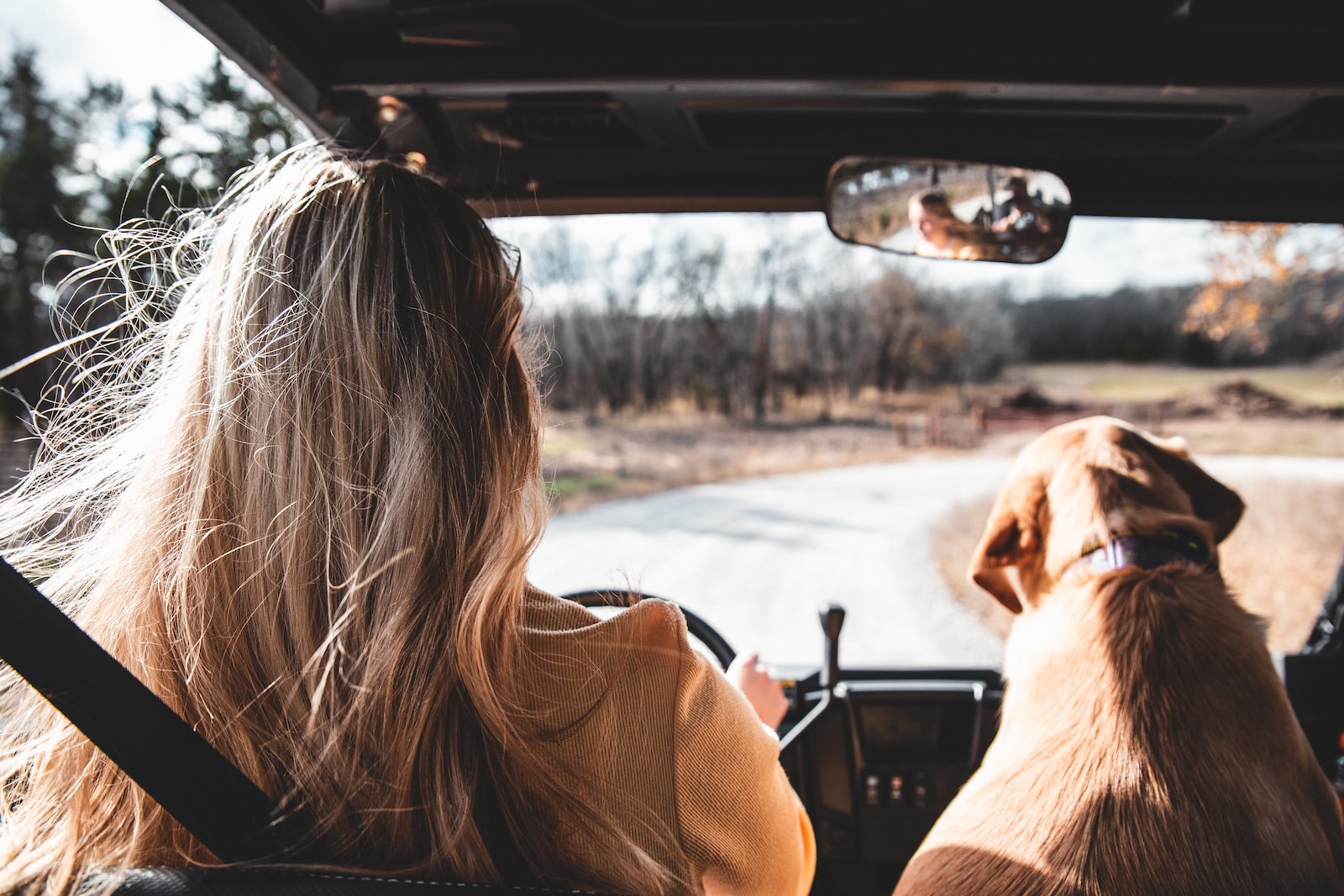
Traveling can be one of the most exhilarating experiences in life. The allure of new sights, sounds, and cultures has attracted humans for centuries. However, amidst all the excitement lies a potential danger – poor health while on the road. A traveler’s immune system is often exposed to unfamiliar environments, different foods, and various climates that may lead to illness or discomfort.
Staying healthy while traveling is essential for enjoying an adventure without interruption by sickness. This article aims to provide travelers with practical tips on how to maintain good health during their journey. From proper hydration and nutrition to exercise routines and sleep habits, this guide will equip you with valuable knowledge to ensure that your next travel experience is not only enjoyable but also free from any health issues.
Pre-Trip Preparation
Pre-Trip Preparation is crucial for any traveler who wants to stay healthy on the road. One of the primary steps in preparing for a trip is to check immunization requirements for your destination. Many countries require travelers to have certain vaccinations before entering, and failure to comply with these regulations can result in denial of entry or even quarantine upon arrival.

Another important aspect of Pre-Trip Preparation is packing a first aid kit. This should include basic medicines such as pain relievers, antihistamines, and anti-diarrheal medication. Additionally, it’s recommended to pack items like bandages, gauze pads, and adhesive tape in case of minor injuries.
Maintaining Proper Hydration
Proper hydration is crucial to staying healthy while traveling. It becomes even more important when traveling in extreme climates. The body loses fluids through sweating, urinating, and breathing; hence it is essential to replenish those lost fluids by drinking water or other hydrating alternatives.
Water is the best option for hydration as it contains no calories, additives, or preservatives. However, if you find plain water unappealing, adding natural flavors such as sliced lemons or cucumbers can make it more palatable. Other options include coconut water, which has electrolytes that help regulate fluid balance in the body, and herbal teas like chamomile or peppermint tea.
Nutrition Tips For Travelers
Proper hydration is essential for maintaining good health while traveling, but it’s not the only factor to consider. Nutrition is equally important and can be challenging when exploring new territories with unfamiliar cuisine. Meal planning can help travelers ensure they’re getting the nutrients they need without sacrificing their taste buds.
When planning meals on the road, it’s a good idea to research local cuisine and find out what ingredients are commonly used in dishes. This information can help travelers select meals that provide balanced nutrition while still allowing them to explore different flavors. Additionally, packing healthy snacks like fruits, nuts, or granola bars can prevent overindulging in unhealthy options during long stretches between meals.
Exploring local cuisine is one of the most exciting aspects of travel, but it’s crucial to approach new foods with caution. Some dishes may contain high levels of fat, salt or sugar which can lead to adverse health effects if consumed regularly. By being mindful of portion sizes and selecting healthier options when possible, travelers can enjoy sampling the local fare without compromising their health goals.
Exercise And Stretching On The Road
Traveling can take a toll on our bodies, leaving us feeling sluggish and fatigued. However, we can mitigate this by incorporating exercise into our daily routines. Engaging in physical activity not only helps to maintain cardiovascular health but also boosts endorphin production, leading to improved mood and mental well-being.
One popular form of exercise that requires minimal equipment is yoga. Yoga routines are highly adaptable and can cater to all fitness levels, from beginners to advanced practitioners. The beauty of yoga is that it does not require much space or equipment; one can practice anywhere using just a mat or towel. Incorporating 30 minutes of yoga into your morning routine can help increase flexibility, improve balance and posture, and reduce stress levels.
For those who prefer more traditional forms of exercise, investing in portable fitness equipment such as resistance bands or jump ropes may be an excellent option while on the road. These tools allow for a full-body workout without requiring access to a gym or bulky weights. Additionally, outdoor activities such as hiking or swimming provide an opportunity for both cardio and strength training while exploring new destinations.
Prioritizing Sleep And Rest
Maintaining good sleep hygiene is essential when traveling to ensure that your body receives the rest it needs. It is recommended to establish a consistent sleep schedule, especially if you are changing time zones frequently. This helps regulate your internal clock and minimizes jet lag symptoms such as fatigue, irritability, and insomnia. Make sure to create an optimal sleeping environment by setting the right temperature, using comfortable pillows and bedding, and blocking out any noise or light disturbances.

Jet lag management should also be considered when traveling across multiple time zones. To reduce the impact of jet lag on your health, it’s advisable to gradually adjust your sleep schedule before starting your journey. If possible, try arriving at least a day early to allow yourself enough time to acclimatize to the new surroundings. Additionally, exposing yourself to natural sunlight during daytime hours can help reset your circadian rhythm more quickly.
Avoiding Illness And Injury
Prioritizing sleep and rest is crucial for any traveler to maintain their health on the road. However, even with a good night’s sleep, there are still potential risks that can hinder one’s travel experience. Common illnesses such as food poisoning or the flu can easily disrupt a trip, while injuries from accidents or outdoor activities can be more severe.
To avoid falling ill while traveling, it is important to take preventative measures. This includes washing your hands frequently, avoiding uncooked or undercooked foods, staying hydrated by drinking plenty of water, and getting vaccinated if necessary. It’s also essential to pack basic medical supplies like pain relievers and bandages in case of emergencies.
Aside from illness prevention, injury prevention should also be taken into consideration when planning activities during travels. Wearing proper gear like helmets and safety harnesses can reduce the risk of injury during adventure sports or other high-risk activities. Additionally, being aware of one’s surroundings and taking caution where needed can prevent slips, falls and other common types of accidents.
Dealing With Health Emergencies Abroad
Health emergencies can happen to anyone, anywhere, and at any time. It is imperative for travelers to be prepared for such situations while on the road. The first step in preparing for health emergencies abroad is to research local medical resources before embarking on your journey. Knowing where the nearest hospitals or clinics are located and their contact information could save valuable time in case of an emergency.
Another crucial aspect of dealing with health emergencies abroad is having travel insurance coverage that includes medical expenses. Without proper coverage, a minor injury or illness could potentially lead to significant financial burden. Before purchasing travel insurance, it is essential to read through the policy carefully and understand what is covered and not covered under the plan. Additionally, make sure to carry copies of your insurance policies and important documents such as passports and visas when traveling.
Conclusion

When it comes to traveling, staying healthy is not always easy. Nevertheless, there are several tips that can help you maintain your well-being on the road. Before setting off, make sure to prepare adequately for the trip and pack essential items such as medication and first aid kits.
To keep yourself hydrated, drink plenty of water throughout the day and avoid excessive alcohol consumption. Proper nutrition is also crucial; opt for nutritious meals rather than fast food or junk foods. While exercising may seem impossible while traveling, try to incorporate some stretching exercises into your daily routine to stay active.
Moreover, prioritize sleep and rest by getting enough hours of quality sleep each night. To prevent illnesses and injuries, practice good hygiene habits such as washing hands regularly and avoiding contact with sick people. Finally, be prepared for health emergencies abroad by having travel insurance and knowing how to access healthcare services in foreign countries.