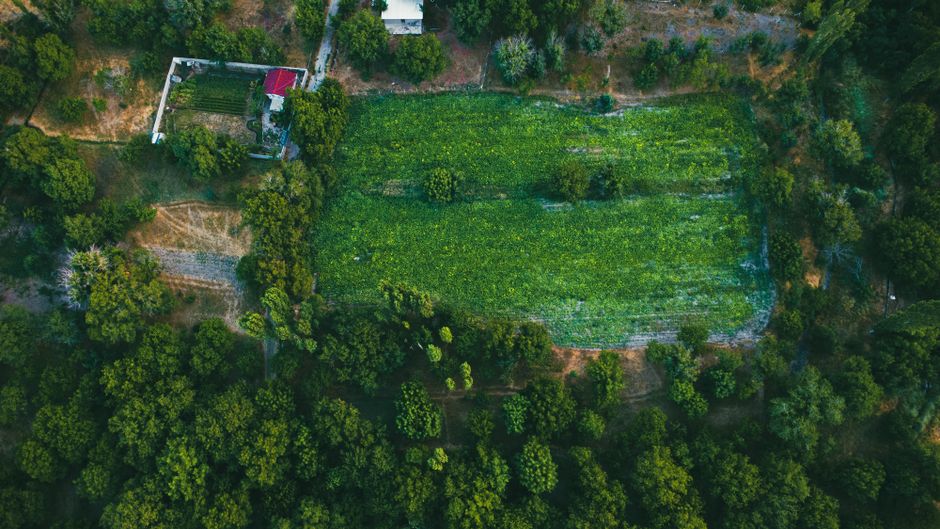
The Green Revolution in Cityscapes
Urban agriculture has captured imaginations across the globe, turning concrete jungles into lush oases. In 2026, cities are no longer just bustling centers of commerce and culture; they are thriving ecosystems where food production meets innovation. From rooftops sprouting vegetables to vertical farms piercing city skylines, the future of urban agriculture presents a fascinating blend of technology and nature. This article takes you on a journey through the most exciting urban farming projects of the year.
Vertical Farms: The Future is Up
Vertical farming has become a symbol of futuristic agriculture, and in 2026, it’s more prevalent than ever. Cities like Singapore and Tokyo have pioneered this movement, creating towering structures dedicated to growing everything from lettuce to strawberries. Sky Greens in Singapore, one of the world’s first commercial vertical farms, continues to expand its operations, utilizing cutting-edge hydroponics and aeroponics. These techniques allow plants to grow in nutrient-rich water or air, eliminating the need for soil and reducing water usage by 95%. Imagine harvesting fresh greens from a skyscraper in the heart of the city!
Vertical farms aren’t just about efficiency and sustainability; they’re about community too. Many of these farms host educational programs and workshops, teaching city dwellers about sustainable food practices. It’s an inspiring way to reconnect people with the origins of their food.
Rooftop Gardens: A Breath of Fresh Air
Rooftop gardens are sprouting up on buildings around the world, turning unused spaces into vibrant green areas. In New York City, Brooklyn Grange operates the world’s largest rooftop soil farms, spanning over 5.6 acres across multiple locations. They produce over 50,000 pounds of organically-grown produce annually, which is sold at local markets and used in nearby restaurants. Rooftop gardens not only provide fresh produce but also help combat urban heat, reduce energy consumption, and improve air quality.
These gardens also create spaces for relaxation and community gatherings. There’s something magical about dining on a rooftop overlooking the skyline, surrounded by the very plants that make up your meal. Rooftop gardens are redefining what it means to live in a city.
Urban Greenhouses: Cultivating in Controlled Climates
Urban greenhouses have emerged as a vital component of city agriculture, especially in areas with harsh climates. These structures create controlled environments that protect crops from extreme weather, pests, and pollution. One standout example is Gotham Greens in Chicago, which operates several high-tech greenhouses providing year-round local produce. Their use of solar panels and rainwater collection systems underscores a commitment to sustainability.
Greenhouses are perfect for growing delicate crops that wouldn’t survive in traditional urban settings. They offer a glimpse into how cities can become self-sufficient, reducing the need for long-haul transportation and the associated carbon footprint.
The Role of Technology in Urban Farming
Technology plays a crucial role in the evolution of urban agriculture, with innovations transforming how we grow, harvest, and consume food. AgriTech startups are at the forefront, developing smart sensors, AI-driven monitoring systems, and drone technology to optimize farming practices. These tools allow urban farmers to monitor plant health, manage resources more efficiently, and predict optimal harvest times.
Across Europe, cities are adopting FarmBot OS, an open-source software that automates small-scale farming. It allows enthusiasts to design and build their own robotic systems to plant, water, and weed their gardens. This democratization of technology is empowering individuals to take part in the urban agriculture revolution.
Community Initiatives: Growing Together
Community gardens and urban farms are springing up in neighborhoods, driven by local initiatives and grassroots movements. These projects foster a sense of belonging, bringing people together to share knowledge, resources, and labor. In Detroit, the Michigan Urban Farming Initiative (MUFI) has transformed vacant lots into productive farms, addressing food insecurity and creating opportunities for education and employment.
Community initiatives highlight the social benefits of urban farming, promoting healthier lifestyle choices and strengthening community bonds. They are a testament to the power of collective action in shaping sustainable urban futures.
Practical Takeaway: How to Get Involved
The future of urban agriculture offers a glimpse of hope for sustainable living, and you can be a part of this green revolution. Whether it’s volunteering at a local urban farm, starting your own rooftop garden, or investing in AgriTech startups, there are countless ways to contribute. Explore your local area for community gardens or farmers’ markets and support initiatives that prioritize sustainability and local produce. By getting involved, you’ll not only enjoy fresh, tasty food but also play a role in shaping a more sustainable and connected urban environment.