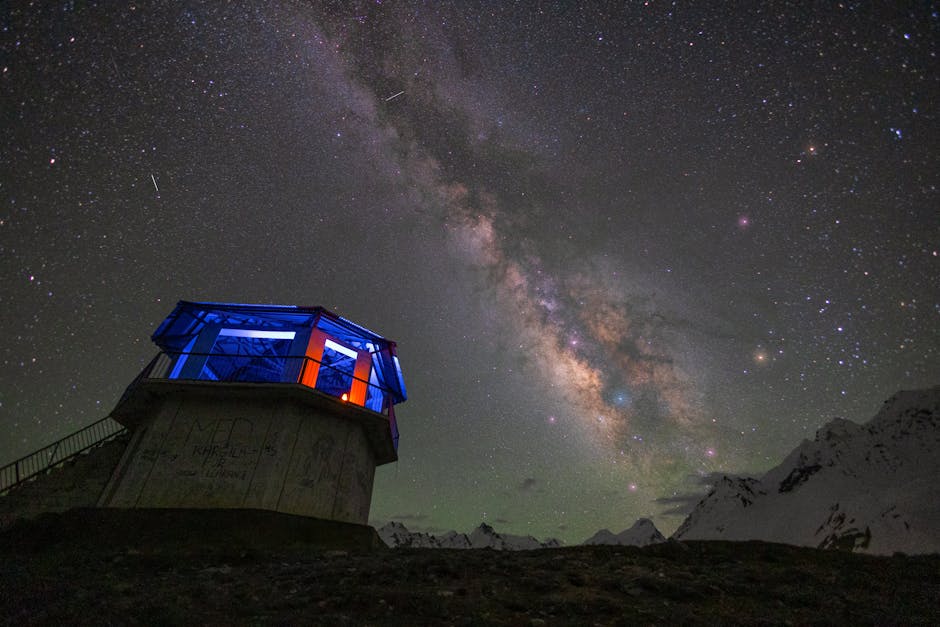
Introduction to Astrotourism
Astrotourism has taken off in 2026, not just as a niche for astronomy enthusiasts but as a captivating experience for travelers seeking the extraordinary. With advancements in technology making stargazing more accessible, and international efforts to preserve dark skies, there’s never been a better time to explore the universe from Earth.
Experience the Magic at Chile’s Atacama Desert
The Atacama Desert in Chile is renowned for its crystal-clear skies and minimal light pollution, making it one of the best places in the world for stargazing. The region boasts several observatories open to the public, including the Alma Observatory and the Paranal Observatory. Visitors can join guided tours, engage in nighttime photography workshops, and even spend an evening at a luxury astrotourism resort, such as the award-winning Elqui Domos, where guests sleep under panoramic skies through transparent domes.
Discover the Nordic Nights in Norway
Norway offers breathtaking views of the Northern Lights, drawing travelers from around the world. By 2026, the country has expanded its offerings, introducing more immersive experiences that blend culture with the night sky. Tromsø and Lofoten Islands have become hotspots, where you can join traditional Sami storytelling under the auroras or participate in eco-friendly tours that combine aurora hunting with husky sledding. The Northern Lights Village in Saariselkä offers igloo accommodations with glass roofs, perfect for viewing the celestial spectacle from the warmth and comfort of your bed.
Explore the Outback Skies in Australia
Australia’s Outback offers some of the darkest skies on the planet. The Warrumbungle National Park in New South Wales is officially recognized as a Dark Sky Park and provides exceptional opportunities for amateur and professional astronomers alike. Visitors can enjoy guided stargazing tours with indigenous guides who share the Aboriginal astronomical traditions, adding cultural depth to the experience. Don’t miss the annual StarFest, which attracts thousands of visitors keen to explore the cosmos through powerful telescopes.
Embark on a Galactic Adventure in Hawaii
Hawaii’s Mauna Kea is another top contender for stargazing. Its unique geography and high altitude make it a prime location for both professional observatories and tourist-friendly experiences. In 2026, visitors can participate in new interactive planetarium shows at the Imiloa Astronomy Center or enjoy night tours at the Mauna Kea Visitor Information Station. These tours often include access to telescopes and expert-led discussions on astronomy, allowing you to dive deeper into the mysteries of space.
Practical Tips for Aspiring Astrotourists
- Plan Around the Moon: The best stargazing experiences occur during a new moon when the skies are darkest.
- Check the Weather: Clear skies are essential for stargazing, so keep an eye on weather forecasts.
- Invest in Binoculars: While telescopes at observatories are fantastic, a good pair of binoculars can greatly enhance your personal experience.
- Respect the Environment: Follow local guidelines to preserve these pristine environments for future generations of stargazers.
Final Thoughts
Astrotourism offers a unique blend of science, nature, and culture, making it an enriching travel experience. Whether you’re gazing at the constellations from the Chilean desert or watching the Northern Lights dance across the Norwegian sky, the universe awaits. So, pack your bags, grab your star charts, and set off on a journey through the stars.