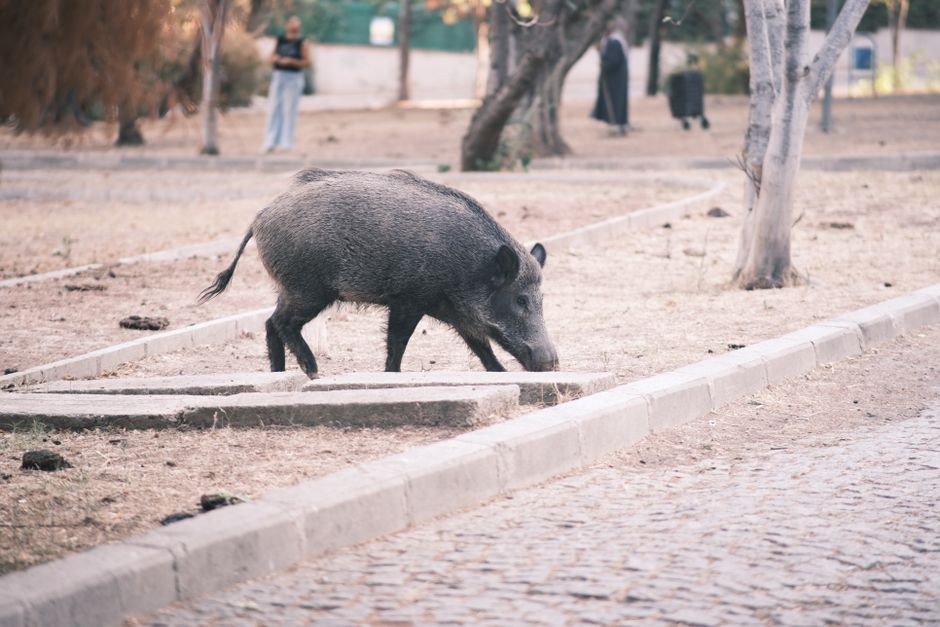
Introduction to Urban Wildlife
As urban jungles continue to expand, a new trend of wildlife sightings and conservation efforts is taking root in 2026. From foxes in London parks to peregrine falcons nesting on skyscrapers in New York, cities across the globe are seeing an exciting resurgence of native wildlife. This article explores how urban environments are being rewilded, not just as a refuge for animals but as a unique opportunity for city dwellers to engage with nature in their own backyards.
The Green Revolution: Urban Rewilding Initiatives
Many cities have embarked on ambitious rewilding projects, transforming neglected areas into green havens. For instance, Paris launched its ambitious ‘Green Arteries’ project in 2024, converting unused railway lines into lush corridors connecting city parks. These initiatives not only provide habitats for wildlife but also enhance biodiversity and climate resilience.
Meanwhile, Singapore’s ‘City in Nature’ vision has strategically planted over 100,000 trees since 2022, creating interconnected green spaces that invite nature back into the urban fold. These projects are turning concrete jungles into vibrant ecosystems, offering residents daily encounters with nature.
Wildlife Watch: Top Urban Animal Encounters
Urban settings offer surprising wildlife encounters. In Toronto, raccoons have become an emblem of urban adaptability, often spotted rummaging through garbage bins at night. These ‘masked bandits’ are part of the city’s nocturnal charm.
- Peregrine Falcons in New York: The Big Apple’s skyline is not just for humans. Peregrine falcons thrive here, utilizing the city’s skyscrapers as nesting sites. Birdwatchers can spot them at Bryant Park, especially during the spring migration season.
- European Red Foxes in London: These crafty creatures are often seen in the evening, exploring neighborhoods and city parks. Londoners have even started urban fox safaris, guiding enthusiasts through twilight tours to observe these animals in action.
- Koalas in Brisbane: Koalas have found a sanctuary in the city’s urban bushlands, such as the Lone Pine Koala Sanctuary. Visitors can experience a rare urban wildlife encounter, observing these iconic marsupials in their natural habitat.
How You Can Support Urban Wildlife
Being part of the urban rewilding movement doesn’t require grand gestures. Simple actions can have a significant impact. Consider planting native flowers or trees to attract pollinators like bees and butterflies. Installing bird feeders and nesting boxes can also support local avian populations.
Participating in community clean-ups helps keep waterways and green spaces free of litter, creating healthier environments for both wildlife and people. Moreover, advocating for green initiatives within your community can influence local policy, encouraging city planners to prioritize wildlife-friendly spaces.
Planning Your Urban Wildlife Adventure
Ready to reconnect with nature within an urban setting? Start by researching local parks or nature reserves that offer guided tours or wildlife spotting opportunities. Many cities now provide apps and online resources to help track wildlife sightings, ensuring that you can maximize your experience.
Equip yourself with binoculars, a camera, and a field guide to identify local flora and fauna. Whether you’re spotting squirrels in Central Park or otters in the waterways of Amsterdam, each city offers its own unique wildlife tapestry. Remember, patience and respect for the animals’ natural behaviors are key to a rewarding experience.
Conclusion: Embracing Nature in the Urban Landscape
As cities evolve, the integration of wildlife into urban environments presents a thrilling opportunity for residents to engage with nature in ways previously unimaginable. Urban rewilding is not just about wildlife conservation; it’s about creating a harmonious coexistence between human development and the natural world. So, the next time you stroll through your city’s green spaces, keep an eye out for the unexpected flutter of wings or the soft rustle of leaves — you might just be surprised by the wildlife wonders living right next door.
Practical Takeaway: Discover the urban wildlife in your city by participating in local conservation efforts, supporting rewilding initiatives, and exploring your local parks and nature reserves to witness the vibrant biodiversity thriving in urban settings.