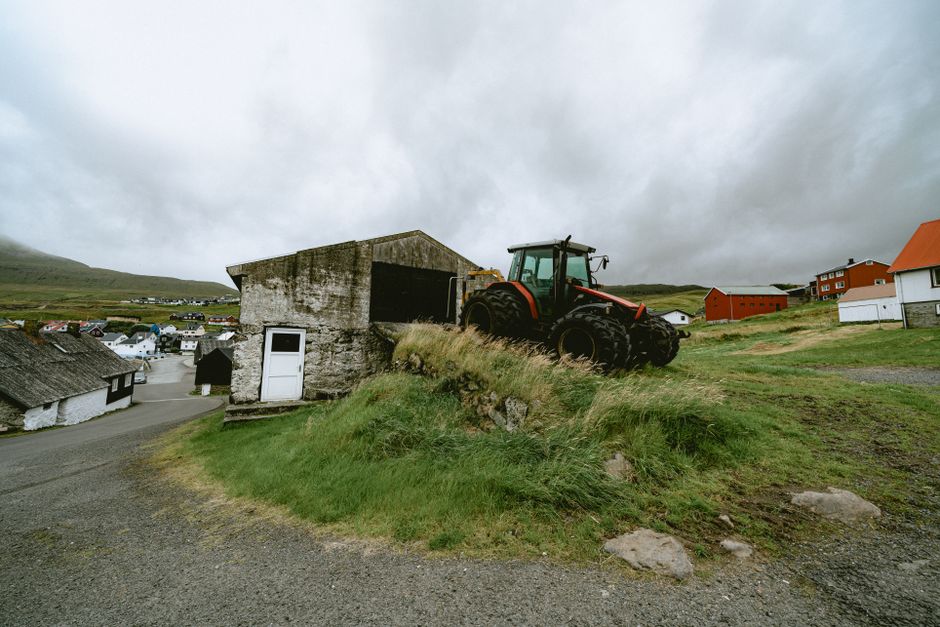
A Timeless Journey to Forgotten Villages
Tucked away in the North Atlantic, the Faroe Islands are undoubtedly a paradise for those seeking solitude and pristine natural beauty. As the world rapidly becomes more interconnected, these islands remain a beacon of tradition and history. In 2026, the allure of the Faroe’s secret villages is a siren call for the adventurous traveler, offering cultural insights and breathtaking landscapes that remain untouched by time.
The Enigmatic Village of Saksun
Once you set foot in Saksun, it’s easy to feel like you’ve stepped into a fairytale. Nestled in a natural amphitheater surrounded by towering cliffs and majestic waterfalls, Saksun is a hidden treasure. With a population of fewer than 20 residents, this village offers a unique glimpse into the past. Traditional turf-roofed houses dot the landscape, offering a stark contrast to the vibrant green hills. The tidal lagoon, accessible during low tide, provides an otherworldly backdrop for reflection and exploration.
For the more adventurous, the hike from Saksun to the neighboring village of Tjørnuvík is an unforgettable journey. The trail weaves through dramatic scenery, offering panoramic views of the Atlantic and the iconic Risin and Kellingin sea stacks.
Gásadalur: A Hidden Haven
Until 2004, Gásadalur was accessible only by a strenuous mountain path or helicopter. However, the construction of a tunnel has opened this secluded village to those willing to travel off the beaten path. Despite modern access, Gásadalur retains its remote charm. The village is home to the renowned Múlafossur Waterfall, where glistening waters plunge directly into the ocean, creating an ethereal spectacle.
As of 2026, Gásadalur’s population remains under 20; the village offers a rare opportunity to experience the Faroe Islands’ tranquil lifestyle. Strolling through its quiet streets, it’s possible to imagine life here as it once was, untouched by time and progress.
Kirkjubøur: Where History Meets the Horizon
Stepping into Kirkjubøur is like opening a history book. This village stands as the ecclesiastical and cultural heart of the Faroe Islands. It hosts the ruins of St. Magnus Cathedral, dating back to the 13th century, and the picturesque Kirkjubøargarður, one of the oldest wooden houses still inhabited in the world.
Kirkjubøur offers a unique blend of history and breathtaking scenery. The views across the islands are simply spectacular, particularly from the ancient stone church of Ólavskirkjan, built in 1111. This active parish church is a testament to the enduring human spirit and the islands’ deep-rooted history.
Funningur: The Gateway to Adventure
Nestled at the base of the Faroe Islands’ tallest mountain, Slættaratindur, Funningur is the perfect base for those seeking both tranquility and adventure. This village captures the quintessential Faroese atmosphere, with its picturesque fjord and colorful homes. In 2026, the newly developed eco-friendly hiking trails around Funningur have attracted outdoor enthusiasts eager to conquer the rugged terrain.
The climb to the top of Slættaratindur, standing at 880 meters, is a rite of passage for many visitors. The summit offers a 360-degree panorama that is nothing short of awe-inspiring. On a clear day, one can see the entire archipelago, a breathtaking reward for the climb.
Soaring Beyond the Ordinary
Visiting the secret villages of the Faroe Islands in 2026 is more than a journey; it’s an immersion into another way of life. Each village, with its own unique charm and story, offers a rare chance to disconnect from the modern world and reconnect with nature and history.
Practical Takeaway: If you’re planning a visit, consider traveling during the late spring or early summer months when the weather is mildest, and the days are longest. While accommodations are limited, the hospitality of the Faroese people is unparalleled. Explore with respect and curiosity, and you’ll leave with memories that last a lifetime.