The Rise of Virtual Reality in 2026

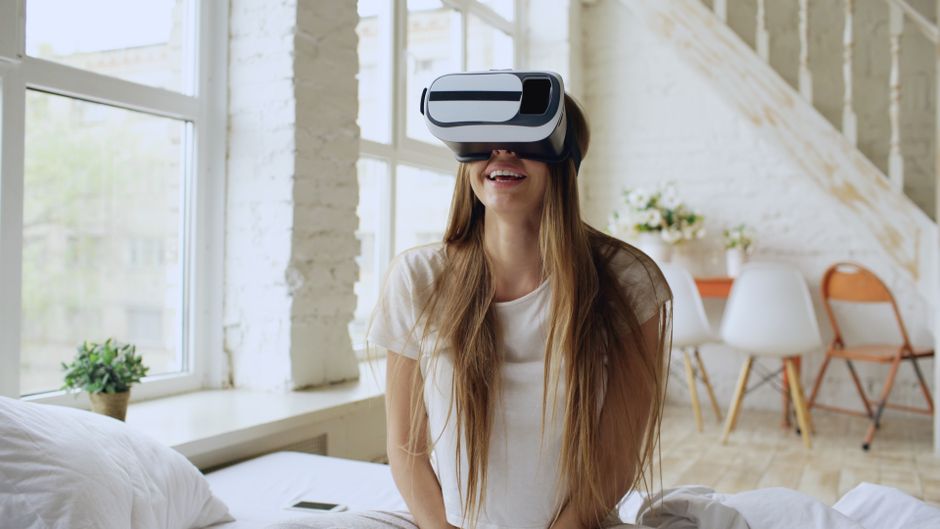
Travel has always been about the experience, the allure of the unknown, the thrill of new cultures. However, 2026 is marking a new era with virtual reality (VR) travel stepping into the spotlight. Gone are the days when VR was merely a futuristic dream; it’s now an integral part of how we explore the world. This technological marvel is reshaping travel, offering immersive experiences right from the comfort of your home.
VR Destinations: Experiencing the World from Your Living Room
Imagine standing at the edge of the Grand Canyon or wandering through the bustling streets of Tokyo—all without leaving your living room. With platforms like Wanderlust VR, you can teleport to any corner of the globe. The technology uses high-definition visuals and soundscapes to transport you instantaneously. In 2026, VR travel experiences have refined to the point where you can even feel the humid air of the Amazon or hear the distant call of the Serengeti wildlife.
For instance, VR travel app Global Explorer offers curated experiences with local guides who walk you through the cultural nuances of each destination. These guides are not just avatars; they are real people using motion capture technology to bring their expertise and stories to life.
Combining VR with Physical Travel: A Hybrid Experience

Virtual reality isn’t just replacing traditional travel; it’s enhancing it. Many travelers are now opting for a hybrid approach. For instance, before heading to the Louvre, art enthusiasts can immerse themselves in VR tours of the museum’s highlights, enabling a more enriched, targeted visit. This prep ensures that once on-site, they can focus on lesser-known artifacts and explore areas they hadn’t considered before.
Travel companies have also caught on to this trend. Voyage Plus, a leading travel agency, now offers packages that combine VR experiences with physical travel, allowing customers to preview their destinations, select activities, and plan in-depth itineraries before even booking a flight.
The Environmental Impact of VR Travel
The environmental benefits of VR travel cannot be overstated. With tourism responsible for roughly 8% of global greenhouse gases, virtual travel offers a sustainable alternative. It significantly reduces carbon footprints, as travelers can experience destinations without the associated environmental costs of flights and accommodations.
According to recent studies, if VR travel reduces even 5% of global travel, it could cut millions of tons of CO2 emissions annually. This makes VR not just a technological revolution but an environmental one.
The Future of VR Travel: Innovations on the Horizon
Looking ahead, VR technology continues to evolve. By 2027, we can expect even more advancements with tactile feedback systems, giving users the sensation of touch, like feeling the texture of ancient ruins or the splash of ocean waves. Moreover, social VR platforms are emerging, offering group travel experiences where friends and family can explore together from different parts of the world.
Companies like Virtual Odyssey are pioneering these experiences, with plans to introduce features like real-time cultural festivals and interactive language learning integrated into the travel experience, making it both educational and entertaining.
Practical Takeaway: Embrace the VR Travel Movement
As we embrace 2026, VR travel is more accessible than ever. Whether you’re an armchair traveler or an avid explorer, integrating virtual experiences into your travel plans can enrich your understanding and enjoyment of the world’s wonders. Consider investing in a VR headset and exploring platforms like Wanderlust VR or Global Explorer. These technologies offer not just a glimpse into distant lands but a full-fledged, immersive exploration. It’s a journey worth taking, one that bridges the gap between curiosity and reality, opening up a realm of possibilities without boundaries.