The Rise of Rooftop Parks: More Than Just a Trend
Rooftop parks have become a defining element of urban landscapes over the past few years, providing city dwellers with much-needed green space and panoramic views. While some might see them as ingenious solutions to crowded cities, they also represent a paradigm shift—viewing rooftops not as mere utility spaces but as valuable real estate for enhancing urban life.
Today, in 2026, these elevated oases are more than just a fleeting trend. They are integral components of urban planning, offering sustainable, recreational havens that breathe life into concrete jungles. From Singapore to San Francisco, rooftop parks have emerged as local landmarks and community hubs, making them must-visit spots for travelers. Join us as we explore the most spectacular rooftop parks around the world.
Singapore’s Jewel in the Sky: Marina One
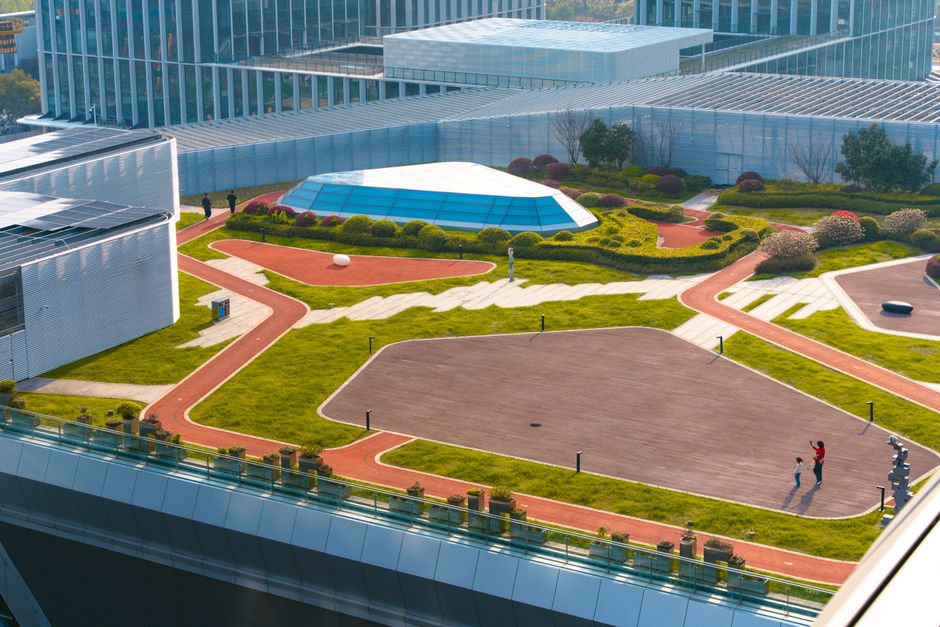
The Marina One development, situated in Singapore’s bustling financial district, sets a striking example of urban greening. Completed in 2024, its centerpiece is the ‘Green Heart’, a massive rooftop park that spans over 37,000 square meters. This verdant refuge features terraced gardens lined with native plants, cascading waterfalls, and quiet walkways designed for leisurely strolls.
Visitors can enjoy themed gardens that showcase Singapore’s rich biodiversity, and the park’s eco-friendly design is powered by solar panels, rainwater harvesting systems, and an innovative cooling system. Marina One isn’t just an architectural marvel—it’s a testament to Singapore’s commitment to sustainability and livability.
The Elevated Greenway Revolution in New York: The High Line’s Next Chapter
New York’s High Line pioneered the concept of transforming obsolete rail lines into elevated parks. As of 2026, this iconic park has expanded north to include the Hudson Yards’ Observation Deck Rooftop Park. This new section features rotating art installations, performance spaces, and lush gardens with native flora that attracts local wildlife.
Visitors can enjoy an interactive art exhibit by renowned artist Ai Weiwei or catch a live jazz performance on a summer evening. The expanded High Line continues to be a cultural and ecological haven, bridging the gap between nature and urban development.
Tokyo’s Urban Eden: Ginza Sky Garden
Towering above Tokyo’s bustling shopping district, the Ginza Sky Garden offers a unique juxtaposition of tranquility amidst one of the world’s most dynamic environments. Located atop the Ginza Six shopping complex, this park features zen gardens, cherry blossom trees, and serene water features that invite visitors to pause and reflect.

Locals and tourists alike gather here for yoga sessions, meditation classes, or simply to take in the breathtaking views of Mount Fuji on clear days. The Ginza Sky Garden exemplifies Tokyo’s ability to blend traditional and modern elements in perfect harmony.
The Green Roof Movement: Copenhagen’s Copenhaven
Copenhagen has long been at the forefront of sustainable urban development, and its Copenhaven rooftop park is a prime illustration of this commitment. Perched on the roof of a multi-use complex in the Ørestad district, the park boasts eco-friendly features such as urban agriculture plots, beekeeping stations, and a rainwater-fed pond.
Visitors are encouraged to participate in urban farming workshops or enjoy a leisurely afternoon in the sunlit park. The Copenhaven is more than a rooftop park—it’s a living laboratory for sustainable practices and community engagement.
A Practical Takeaway for Your Next Adventure
For travelers in 2026, rooftop parks offer a unique perspective on urban life and a chance to find peace in the heart of bustling cities. They are more accessible than ever, with many providing free entry and hosting a variety of events. Whether you’re drawn by their sustainable architecture, cultural programs, or simply the promise of a breathtaking view, these elevated gardens in the sky are worth adding to your itinerary.
As you plan your next adventure, consider swapping traditional parks for these innovative green spaces. You’ll gain a deeper appreciation for the cities you visit and the ways in which they’re redefining the harmony between urban development and nature.