Why Stargazing is the Travel Trend of 2026
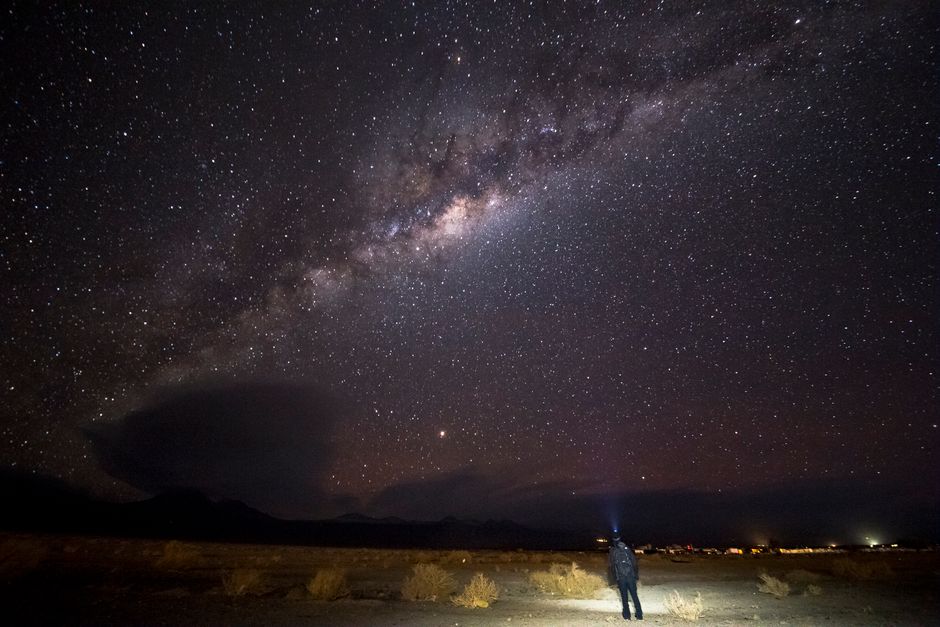
With technology constantly buzzing around us, a growing number of travelers in 2026 are seeking experiences that let them disconnect and reconnect with nature. One trend that’s reaching for the stars—quite literally—is stargazing. As cities expand and light pollution increases, the desire to escape to a place where the Milky Way can be viewed in all its glory has never been stronger. If you’re looking to explore the wonders of our universe, these celestial destinations should be at the top of your list.
1. Atacama Desert, Chile
The Atacama Desert is often touted as the best place on Earth for stargazing, and for good reason. With its high altitude, lack of rainfall, and minimal light pollution, this Chilean desert offers crystal-clear views of the night sky almost every night of the year. Consider timing your visit with the annual Atacama Star Party in August, where astronomers and stargazers gather for a cosmic celebration. Here, you can observe spectacular meteor showers, the Southern Cross, and even the Magellanic Clouds through some of the most advanced telescopes available to the public.
2. La Palma, Canary Islands
Often referred to as the “Beautiful Island,” La Palma is a UNESCO Biosphere Reserve that boasts an exceptional commitment to protecting its night skies. The island’s astronomical quality is protected by law, and its high-altitude setting allows for uninterrupted stargazing. Don’t miss the Roque de los Muchachos Observatory, where you can view the sky through one of the most powerful telescopes in the world. La Palma also offers guided night tours that take you to the best vantage points while providing educational insights into the constellations above.
3. Aoraki Mackenzie International Dark Sky Reserve, New Zealand
New Zealand’s first Dark Sky Reserve, the Aoraki Mackenzie region is a pristine area that offers some of the darkest skies in the world. This place is a haven for those looking to marvel at the Southern Hemisphere’s constellations, including the Southern Cross and the Milky Way. The reserve covers over 4,300 square kilometers and includes the renowned Mount John Observatory. For the ultimate experience, book a stargazing tour that combines a scenic nighttime ride with knowledgeable guides who will introduce you to the wonders of the universe.
4. Jasper National Park, Canada
Known for its breathtaking landscapes, Jasper National Park in Alberta is also an ideal spot for stargazing. Recognized as a Dark Sky Preserve, Jasper offers stunning views of the night sky, free from the interference of urban lights. The annual Jasper Dark Sky Festival in October is a must-attend event for astronomy enthusiasts, featuring educational talks, workshops, and telescope viewings. Capture the northern lights dancing across the sky, or simply relax under a blanket of stars with the Canadian Rockies as your backdrop.
Practical Takeaway: Planning Your Stargazing Adventure
When planning a stargazing trip, timing is essential. Check for new moon phases to ensure the darkest skies possible and consider scheduling your visit around meteor showers or celestial events for a truly awe-inspiring experience. Remember to pack warm clothing, as nighttime temperatures can drop significantly in these areas. Most importantly, bring a sense of wonder and curiosity. As you gaze upon the cosmos, you’ll find a humbling reminder of the vast universe that lies beyond our small world.