The Rise of Car-Free Zones
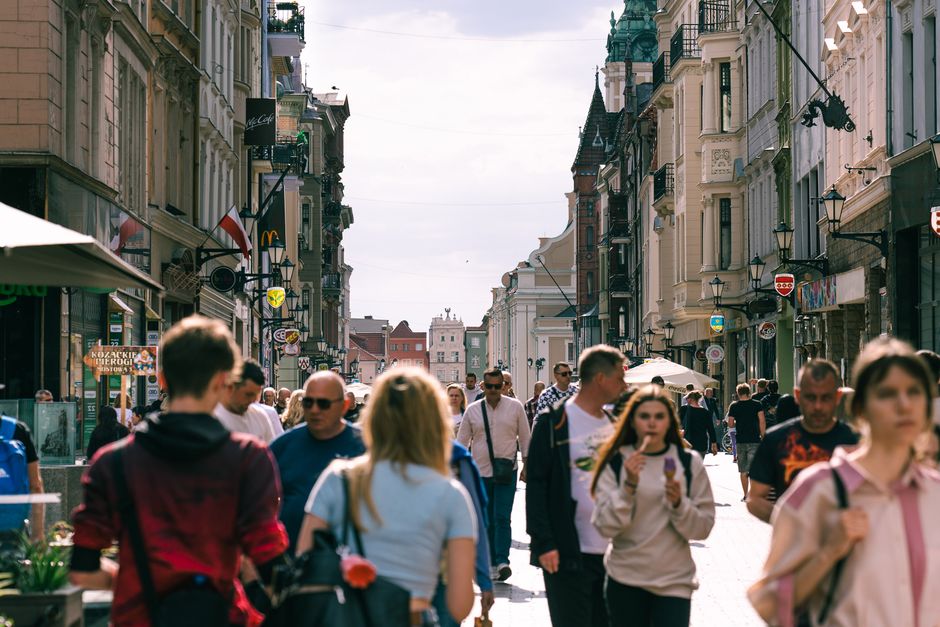
The concept of pedestrian-only areas isn’t new, but by 2026, it has evolved into a powerful global movement that’s reshaping how we experience cities. From bustling metropolises to quaint towns, more places are prioritizing foot traffic over vehicle congestion. In Europe, cities like Paris and Barcelona have expanded their car-free zones dramatically, enhancing the quality of urban life while reducing pollution and noise.
In Paris, the ‘Rue de Rivoli’ and ‘Champs-Élysées’ are now bustling hubs of activity, with cafes spilling onto the streets, musicians performing live, and artists painting en plein air. This shift encourages healthier lifestyles and offers tourists a chance to explore cities more intimately.
A Walk Through History: The Benefits of Pedestrian Areas
Walking through these zones not only provides health benefits but also allows you to connect with the cultural and historical essence of a place. In Kyoto, Japan, the ‘Ninenzaka and Sannenzaka’ streets offer a car-free journey back in time, where traditional wooden shopfronts and teahouses evoke the ambiance of ancient Japan.

These pedestrian-friendly areas often lead to rediscoveries and hidden gems that cars can easily bypass: a tiny bookshop tucked into a corner, an exquisite street art mural, or an impromptu street market. Cities like Amsterdam have taken it further, integrating canals and bridges into their pedestrian networks, allowing a fluid transition from one neighborhood to another.
Fostering Community and Sustainability
Turning streets into pedestrian havens fosters a stronger sense of community. In New York City, ‘Open Streets’ initiatives have transformed areas like Times Square into vibrant public spaces where locals and tourists mingle. Pop-up events, farmer’s markets, and performances are now common sights, magnifying the neighborhood’s vibrancy.
This shift also aligns with sustainable goals. Reduced car traffic means lower emissions, aiding efforts to combat climate change. Cities like Copenhagen have even integrated green spaces into pedestrian zones, with urban gardens and trees creating an eco-friendly oasis in the heart of urban environments.
The Economic Boon of Pedestrian Zones
Businesses located in pedestrian zones often experience a boost. Without the noise and congestion of cars, cafes, shops, and markets become more inviting. In Florence, Italy, the pedestrian zone around the Piazza del Duomo has seen a surge in both local and international visitors, with restaurants and boutiques thriving.

Moreover, studies have shown that pedestrian zones increase retail sales by up to 30%, as people are more likely to linger and explore when freed from the constraints of vehicular traffic. This increased footfall benefits not just large businesses but also local artisans and vendors, creating a more dynamic and inclusive economic ecosystem.
Planning Your 2026 Pedestrian Experience
To make the most of these pedestrian paradises, consider planning your visit during local festivals, when streets are alive with color and celebration. Pack comfortable shoes and be ready to meander through cobbled streets, stopping to savor local delicacies or admire historical landmarks.
Apps like ‘Walkable City Guides’ can enhance your journey, offering insights into the best routes and attractions in pedestrian zones around the world. Whether you’re in the lanes of Lisbon or the alleys of Marrakesh, these guides ensure you won’t miss out on the rich tapestry of experiences these car-free areas offer.
Takeaway: Embracing the pedestrian revolution is not just about enjoying a car-free stroll—it’s an opportunity to engage with cities on a deeper level, fostering connections, sustainability, and economic growth. As more cities join this movement, 2026 promises to be a year of transformative travel experiences.