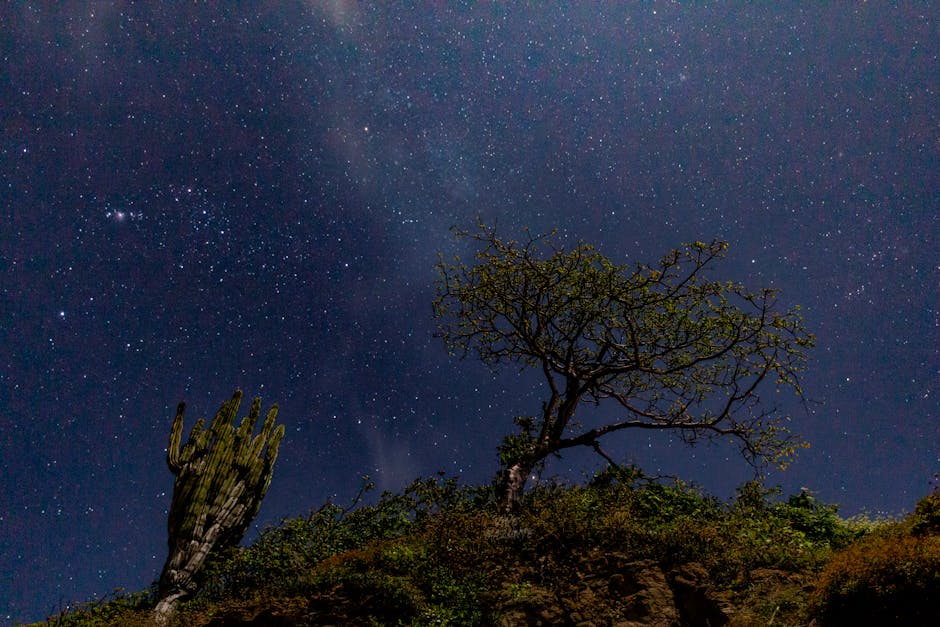

In an era where city lights often drown out the brilliance of the night sky, finding a place to truly appreciate the stars feels more like a treasure hunt than ever. But for those willing to travel a bit off the beaten path, 2026 offers a celestial bounty. Let’s explore some of the world’s most mesmerizing stargazing destinations that promise an astral experience like no other.
The Atacama Desert, Chile: A Stargazer’s Dream
The Atacama Desert in Chile is renowned for its crystal-clear skies, with less than 20% of the nights being poor for stargazing. Thanks to its high altitude, dry air, and lack of light pollution, this place is a haven for astronomers and casual stargazers alike. In 2026, the desert continues to be home to the ALMA Observatory, one of the largest astronomical projects in existence, offering public tours that provide a glimpse into the universe’s deepest secrets. Whether you’re an amateur astronomer or a curious traveler, the Atacama promises a sky full of wonder.
NamibRand Nature Reserve, Namibia: Where Stars Touch the Earth
Namibia’s NamibRand Nature Reserve is one of Africa’s largest private nature reserves and a certified Dark Sky Reserve. The Milky Way appears vividly above the reserve, often casting shadows on the desert sands. The reserve limits guests to ensure minimal impact on the environment, allowing for an intimate and serene stargazing experience. In 2026, the NamibRand offers guided night walks and camping under the stars, where the cosmos feels within arm’s reach.
Dark Sky Park, Slovenia: European Starry Delights
Nestled in the Julian Alps, Slovenia’s Dark Sky Park is a testament to Europe’s commitment to preserving natural night skies. This park is one of Europe’s lesser-known gems, offering views of the night sky with the silhouette of the Alps in the distance. 2026 sees the park hosting the annual Starry Nights Festival in August, where astronomy enthusiasts gather for a weekend of lectures, star parties, and meteor watching. Don’t forget to bring your telescope and warm blanket!
Mauna Kea, Hawaii: Celestial Elevation
Mauna Kea in Hawaii stands as one of the most iconic stargazing sites in the world. Sitting at 13,796 feet above sea level, its summit is above the clouds, providing an unobstructed view of the universe. In 2026, the visitor’s center offers nightly telescope viewings, and the summit’s observatories remain a hub for cutting-edge astronomical research. Remember, conditions can be extreme, so dress warmly and respect native Hawaiian cultural practices.
Uluru, Australia: Stars Over Sacred Ground
Uluru, also known as Ayers Rock, isn’t just a stunning geological formation—it’s also a perfect spot for stargazing. The clear Outback skies ensure a brilliant display of celestial wonders, with guided star tours that offer insights into Aboriginal astronomy. In 2026, special night programs include storytelling sessions about the stars’ significance in Indigenous Australian culture, creating a blend of science and spirituality under the vast Australian sky.
Practical Takeaway: These destinations not only offer a chance to see the stars but also provide a deeper connection to the celestial and cultural heritage. When planning your starry escape, ensure you check the local stargazing calendar for events like meteor showers or astronomical festivals, pack appropriately for the climate, and respect local guidelines to preserve these natural sanctuaries for future generations. May your travels be as infinite as the universe itself.