Why Stargazing is the Ultimate Escape in 2026

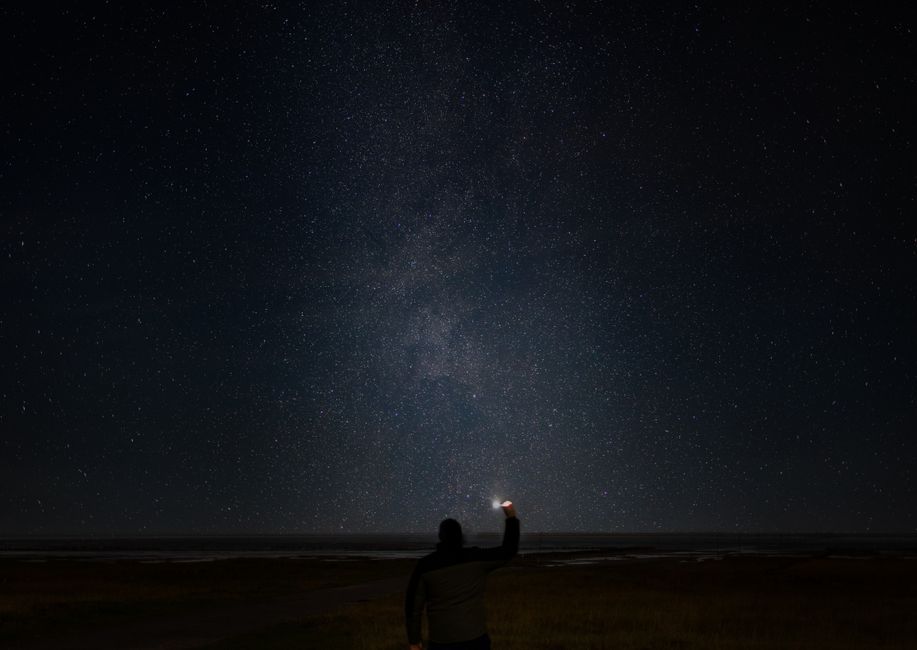
In our digital age, where screens dominate our lives, more people are turning to the heavens for a moment of awe and introspection. Stargazing is a timeless activity that offers profound peace, and in 2026, it’s having a renaissance. As urban areas become more brightly lit, finding spots with minimal light pollution is becoming a quest for many. Enter the Dark Sky Reserves, an international recognition for areas dedicated to preserving the night sky. These reserves offer not only spectacular starry views but also a chance to connect with nature in one of its purest forms.
Top Dark Sky Reserves to Visit in 2026
- Aoraki Mackenzie, New Zealand
Nestled in the heart of New Zealand’s South Island, the Aoraki Mackenzie reserve is a beacon for stargazers. The reserve is renowned for its super clear skies, making it a top destination for both amateur and professional astronomers. Nearby Mount Cook provides a dramatic backdrop to the shimmering Milky Way. Guided tours are available, offering telescopes for those keen on spotting celestial bodies up close.
- NamibRand Nature Reserve, Namibia
Namibia’s NamibRand Nature Reserve is one of Africa’s most mesmerizing places for stargazing. The expansive desert landscape offers unobstructed views of the night sky. The twinkling stars reflect off the sand dunes, creating an ethereal effect. For an unforgettable experience, visitors can stay in luxury lodges that blend seamlessly with the environment.
- Exmoor National Park, England
Exmoor National Park is a hidden gem in the UK for stargazing enthusiasts. Declared a Dark Sky Reserve in 2011, Exmoor continues to be a favorite due to its accessible location and organized stargazing events. The park offers guided walks that educate visitors about constellations and the mythology behind them. With its quaint villages and lush moors, Exmoor is perfect for a weekend getaway under the stars.
Tips for a Memorable Stargazing Experience
Planning your stargazing adventure needs a bit more than just showing up. Here are some insider tips to ensure your night under the stars is unforgettable:
- Timing is Everything: The best time for stargazing is during a new moon when the sky is darkest. Check the lunar calendar before planning your trip.
- Dress Comfortably: Nights can get chilly, even in deserts, so layering is crucial. Consider bringing a blanket to lay on or wrap around yourself.
- Bring Binoculars: While telescopes are great, a good pair of binoculars can be surprisingly effective for spotting constellations and planets.
- Download a Star App: Apps like SkyView or Star Walk can enhance your experience by identifying stars and constellations in real-time.
Learning from the Stars: Cultural Insights
Stargazing isn’t just about the skies. Many cultures have rich traditions and stories linked to the stars. In 2026, there’s a growing interest in learning about these cultural narratives during stargazing trips. For instance, Maori mythology in New Zealand speaks of the Matariki stars, which mark the Maori New Year. In Africa, many tribes have used the stars as navigation tools for centuries.
Joining a guided stargazing tour often includes stories and folklore, adding a cultural layer to the experience. It’s a beautiful reminder of how interconnected humanity is with the universe.
Practical Takeaway: Embrace the Night Sky
Stargazing offers a unique respite from the clamor of daily life. The Dark Sky Reserves of 2026 are perfect destinations for those seeking tranquility and a deeper connection to nature. Whether you choose the vast deserts of Namibia or the lush landscapes of Exmoor, the stars remain a constant, reminding us of the infinite beauty the universe holds. Pack your binoculars, download a star map, and head to one of these celestial havens for an unforgettable escape under the stars.