The Rise of Vertical Gardens
In 2026, skyscrapers are no longer just concrete giants piercing the sky. They’re vibrant ecosystems, teeming with greenery and life. Vertical gardens are transforming cityscapes around the world, with architects integrating nature into design in innovative ways. One of the most captivating examples can be found in Singapore’s Oasia Hotel Downtown, where lush greenery covers 27 stories, creating a living façade that not only enhances aesthetics but also improves air quality. This building exemplifies how biophilic design is setting the tone for urban architecture.
Floating Cities: The Future of Urban Living
With rising sea levels challenging coastal cities globally, the concept of floating cities has moved from science fiction to reality. The Oceanix City project, piloted near the shores of Busan, South Korea, represents a pioneering endeavor in sustainable, flood-resistant urbanization. These floating platforms can house thousands of residents and are designed with renewable energy systems, turning ocean cities into hubs of innovation. This initiative stands as a beacon of hope for coastal regions adapting to climate change.
3D Printed Homes: Revolutionizing Affordable Housing
The housing crisis has driven architects and engineers to think outside the box, literally. In 2026, 3D printed homes are no longer a novelty but a viable solution for affordable housing. In Austin, Texas, the Community First! Village, a 51-acre master-planned development, offers affordable 3D printed homes to formerly homeless residents. This approach significantly reduces construction time and costs while providing durable and sustainable housing solutions.
Adaptive Reuse: Breathing Life into Old Structures
Instead of demolishing outdated buildings, cities are choosing adaptive reuse, saving history while creating functional spaces. The Battersea Power Station in London is a prime example, having been transformed from an industrial relic into a vibrant mixed-use neighborhood. With its iconic four chimneys and art deco interiors, the station now houses shops, restaurants, and apartments, preserving its historic charm while serving modern needs.
The Quest for Carbon Neutrality
As environmental consciousness grows, achieving carbon neutrality in architecture has become a top priority. In 2026, Norway’s Powerhouse Brattørkaia exemplifies this shift. Dubbed the world’s northernmost energy-positive building, it produces more energy than it consumes through solar panels and geo-thermal wells. This project illustrates how buildings can contribute positively to the environment, setting new standards for sustainable design.
Travel with a Purpose: Architectural Tours in 2026
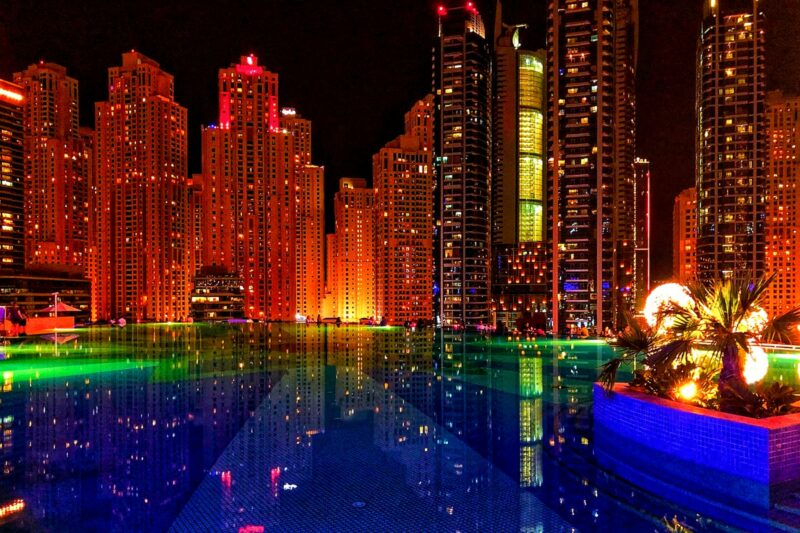
Travelers today crave meaningful experiences, and architectural tours offer a captivating way to explore the world’s most innovative designs. Whether it’s a guided tour through the futuristic landscapes of Dubai or an exploration of the sustainable buildings in Copenhagen, these tours provide insight into the cultural and environmental shifts shaping our world. Local guides and architects provide an insider’s perspective, enriching your travel with knowledge and inspiration.
Practical Takeaway: As you plan your travels in 2026, consider visiting cities known for their architectural innovations. Not only will you witness the marvels of modern design, but you’ll also gain a deeper understanding of how architecture is responding to global challenges. Whether it’s marveling at vertical gardens or stepping into a 3D printed home, these experiences offer a fresh perspective on the places we call home.